1970 East LA Chicano Organizers Standing Against Vietnam Draft
This was more than an anti-war rally; it was an act of cross-community solidarity. The disproportionate burden placed on working-class families in 1970 mirrors ongoing fights for economic justice, draft equity, and community resources across Newark, Detroit, Philadelphia, and New York.
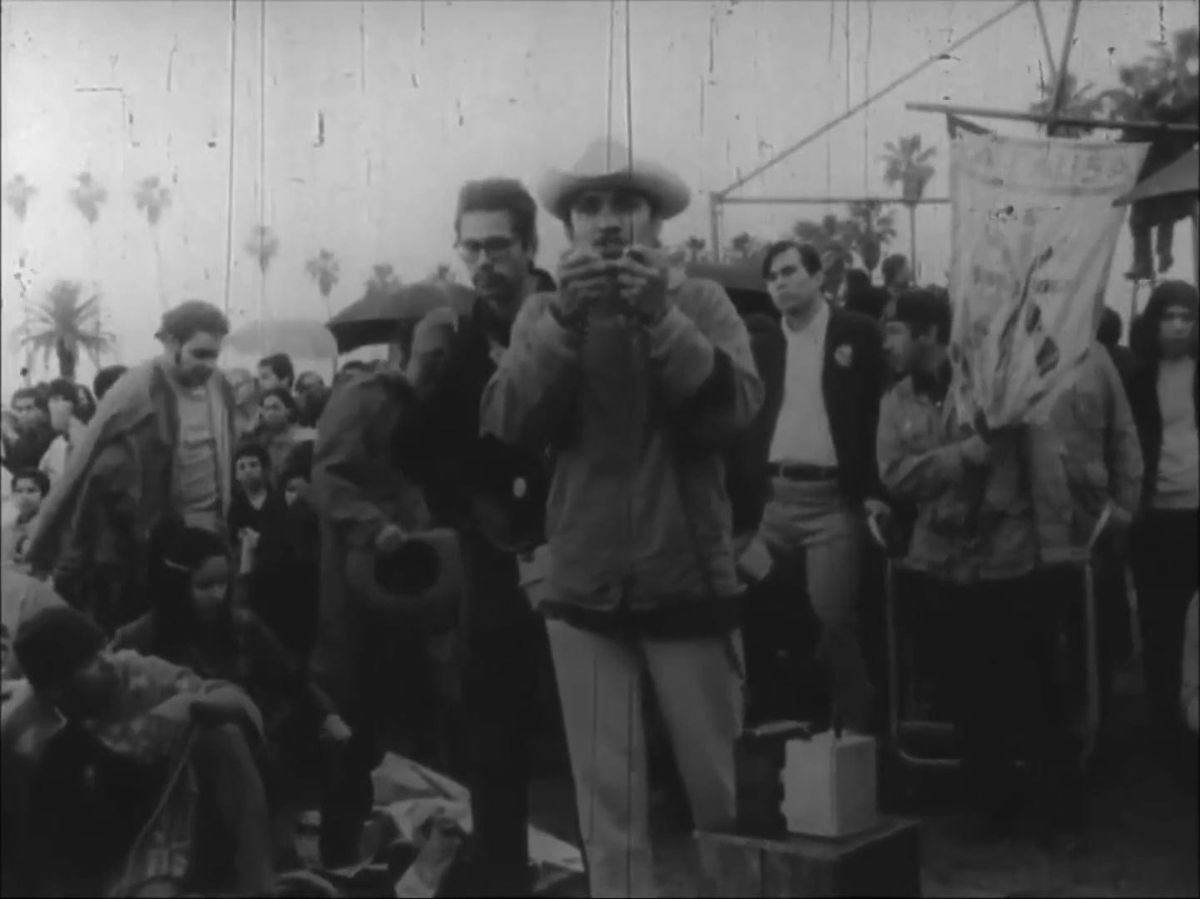
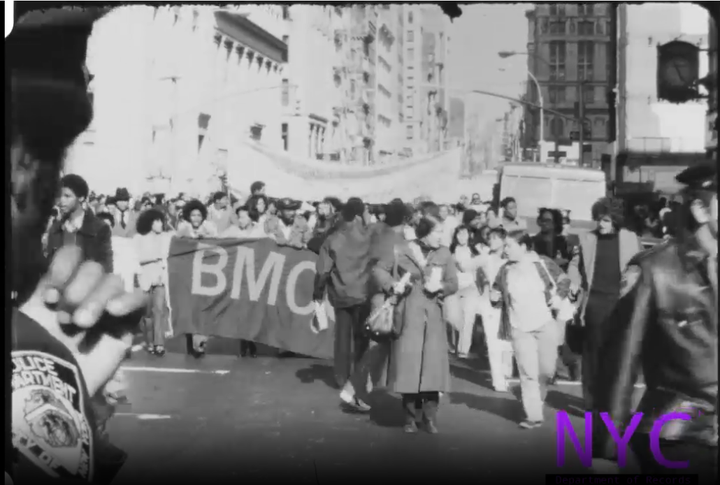
On February 28, 1970, thousands of families, students, and local organizers gathered at Atlantic Avenue County Park in East Los Angeles to protest the Vietnam War. Preserved in the digital archives at the University of Southern California, 16mm footage recorded by the National Chicano Moratorium Committee captured a powerful moment of community-led resistance.
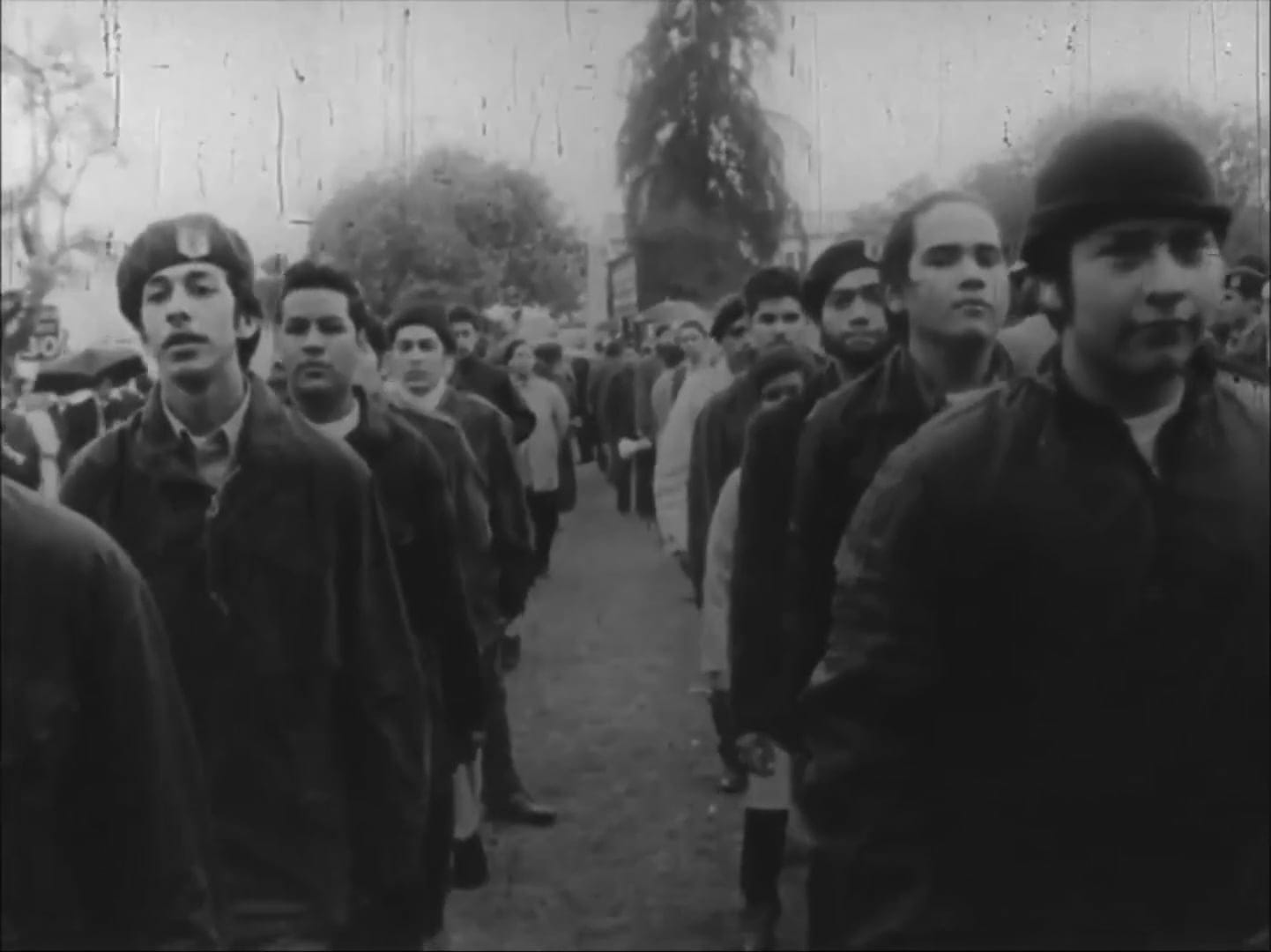
Marching down Atlantic and Whittier Boulevards toward Interstate 710, residents transformed public streets into spaces of collective dignity. Long before state planners crisscrossed the area with freeways, East Los Angeles was a vibrant working-class hub where families-built businesses, raised children, and sustained deep neighborhood roots.
Can't view this video in your email? Visit www.inthewake.tv/wakethearchive
The marchers were responding to a painful reality: Black and Brown youth were being disproportionately drafted to fight overseas while their home neighborhoods faced systemic disinvestment, underfunded schools, and economic exclusion. Organizers recognized that the fight for peace abroad was inseparable from the fight for jobs, housing, and dignity at home.
Why This Story Matters
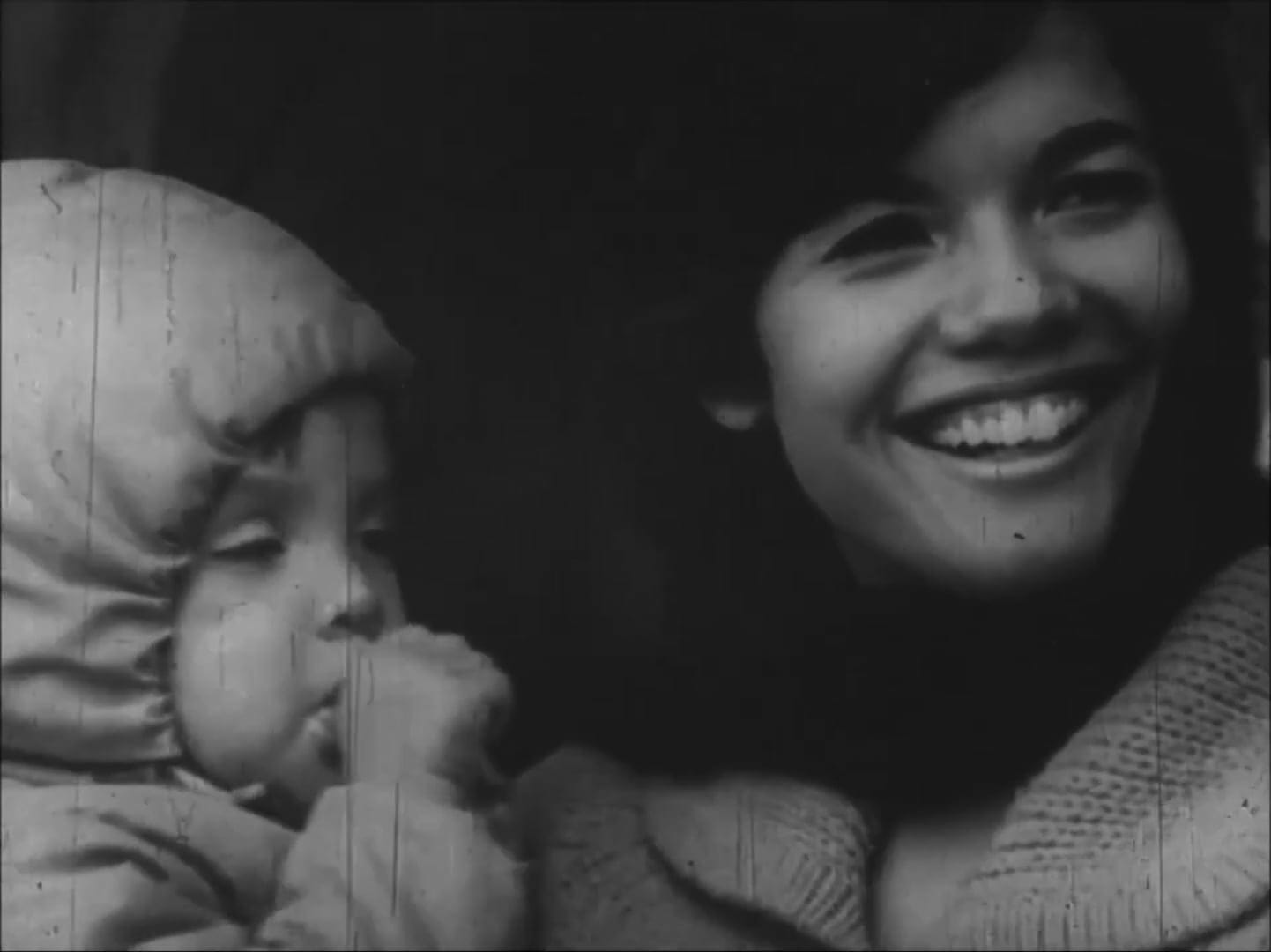
- People Over Systems: Behind political debates on war and foreign policy were parents, youth, and organizers demanding that their lives and futures be valued.
- Intersectional Solidarity: The protest highlighted how Black and Brown working-class youth bore the heavy burden of military service while battling systemic neglect in their own backyards.
- Connecting History to Present Day: The demand for local investment rather than state extraction connects 1970 East Los Angeles directly to current community fights for budget equity, education, and youth opportunities nationwide.
IN THE WAKE TV is a community-centered media platform rooted in New York and New Jersey. Through original storytelling, photography, and curated journalism, we document Black life where it is lived while highlighting the relationships that connect our communities across regions.
The story of 1970 East Los Angeles is a local history, but its heartbeat belongs to every neighborhood from Newark and Camden to Detroit and Philadelphia, where families continue to reclaim their narrative, protect local resources, and build futures rooted in collective dignity.
Comments ()