How 1965 Puerto Rican Organizers Bound Local Safety to Homeland Liberation
Connecting 1965 Manhattan to current news in Puerto Rico highlights how the pursuit of self-determination remains a continuous, living movement across regions.
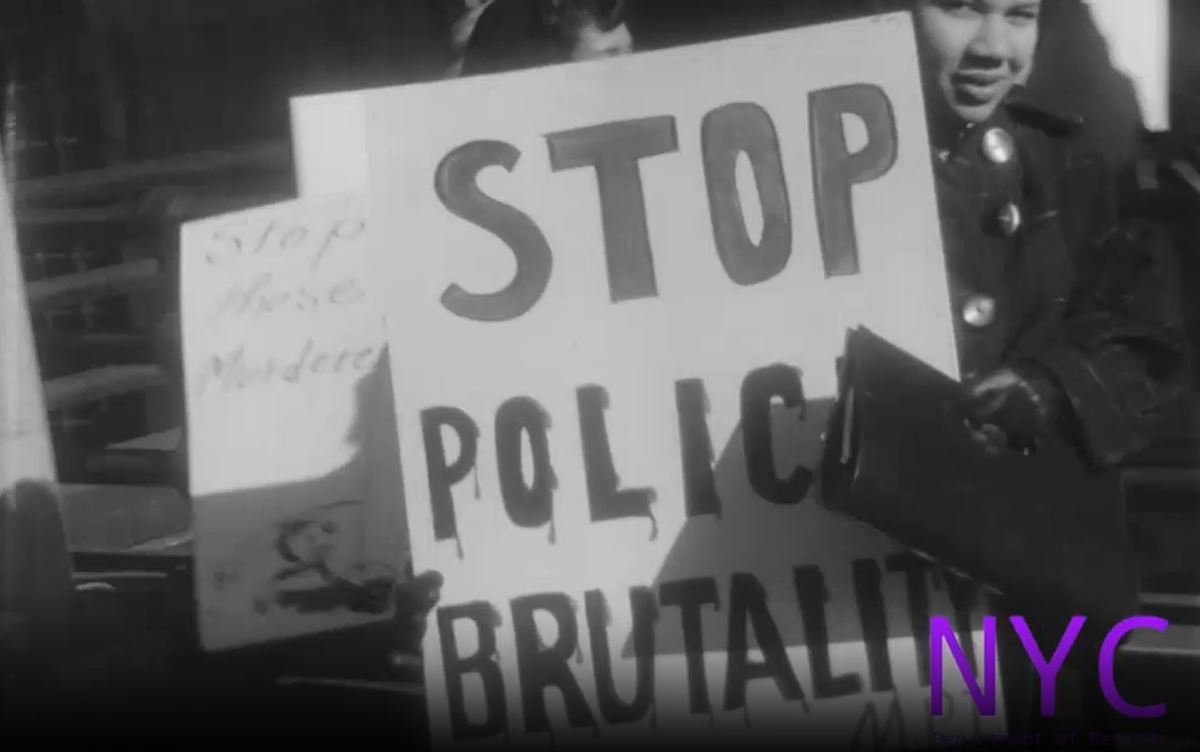
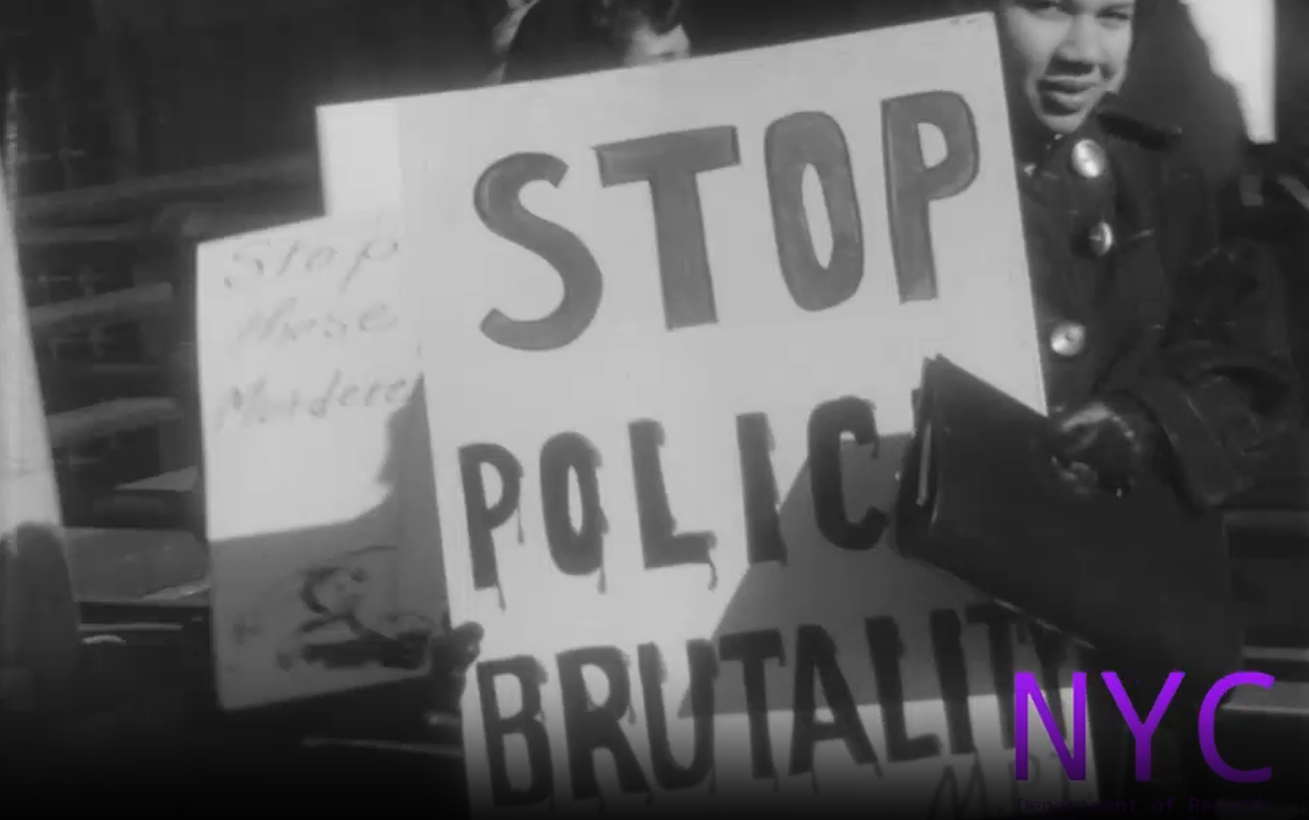
In 1965, police cameras recorded silent footage of a picket line along a Manhattan sidewalk. The NYPD logged the reel as routine surveillance, but the lens preserved something far deeper: Puerto Rican families and organizers demanding accountability, safety, and liberation.
Can't see the video in your email? Visit www.inthewake.tv/wakethearchive
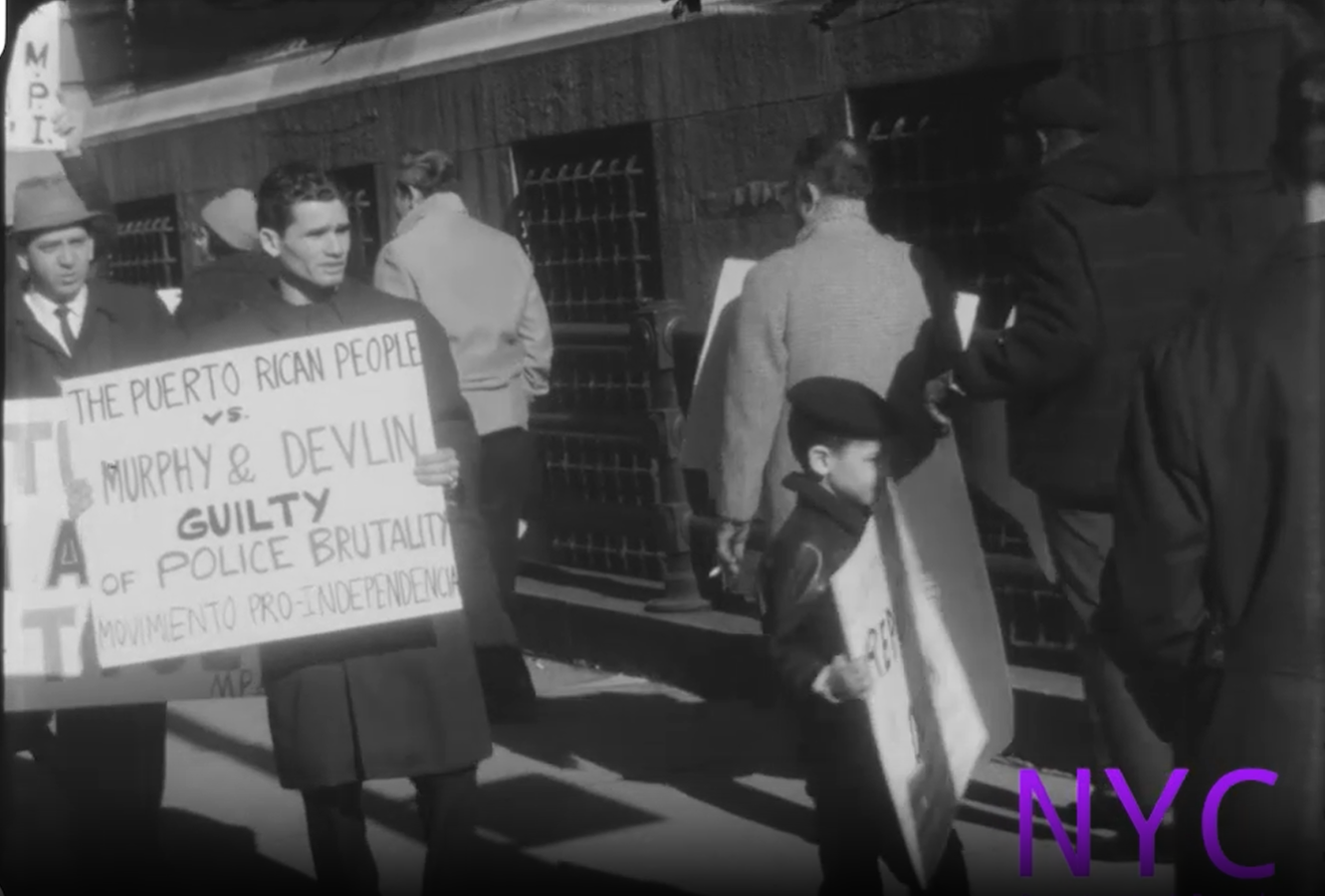
Carrying handmade signs in English and Spanish, demonstrators—including elders, youth, and young parents—marched against systemic violence. They held up signs explicitly naming officers involved in brutality cases while standing under the banner of the Movimiento Pro-Independencia de Puerto Rico.
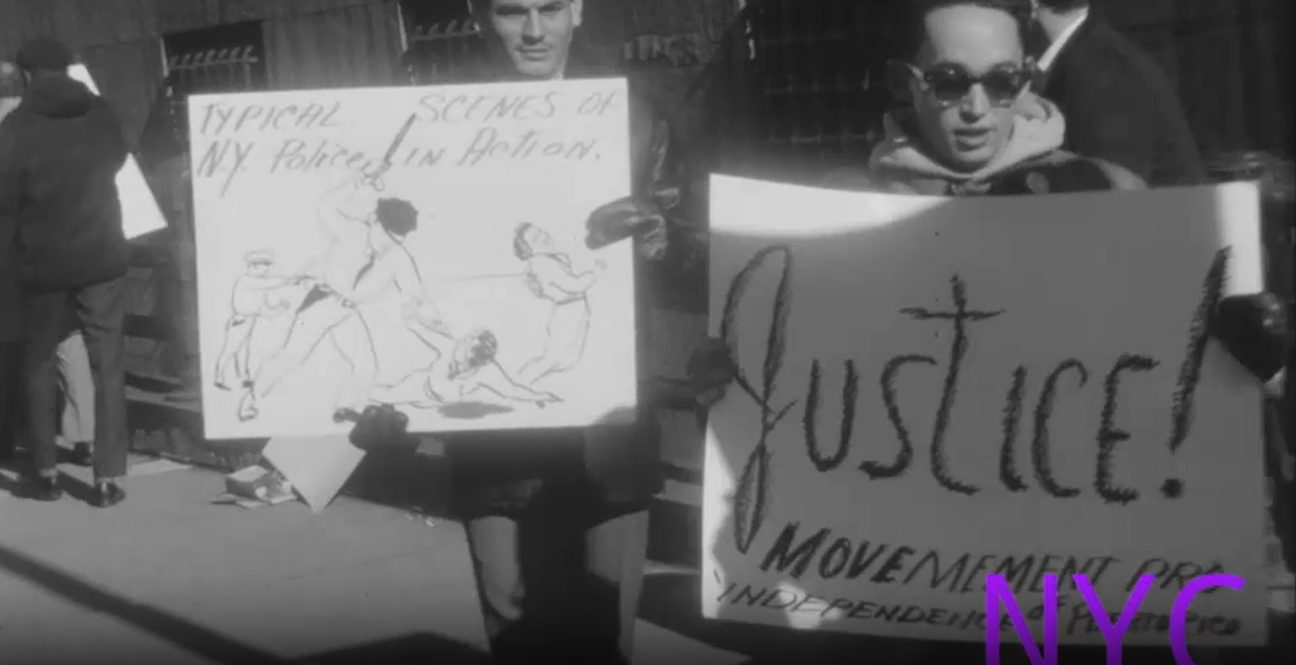
For New York’s Puerto Rican diaspora, neighborhood police abuse and colonial rule were inseparable. Demanding dignity on their own city streets was directly bound to the sovereignty of their island home. As Puerto Rico remains in the news today with communities still fighting for self-determination and local control, this 1965 footage reminds us that the struggle for autonomy has always bridged the island and the diaspora.
While institutional cameras attempted to monitor the crowd, these organizers reclaimed the sidewalk, transforming police observation into an enduring statement of collective strength.
Why This Story Matters
- People Over Surveillance: Subverting police surveillance reels centers the intent, courage, and humanity of the families marching rather than the institutional lens trying to monitor them.
- Intersectional Liberation: The 1965 picket demonstrates how diaspora communities connected local struggles against state violence directly to global fights for sovereignty.
IN THE WAKE TV is a community-centered media platform rooted in New York and New Jersey. Through original storytelling, photography, and curated journalism, we document Black and Brown life where it is lived while highlighting the relationships that connect our communities across regions.
The story of 1965 Manhattan is a local history, but its heartbeat belongs to every neighborhood from Newark and Camden to Detroit, Philadelphia, and the Puerto Rican diaspora, where families continue to reclaim their narrative, protect local resources, and build futures rooted in collective dignity.

Comments ()