Jersey City Residents Lead Statewide Push to Make New Jersey Safer for Migratory Birds
Across the United States, collisions with glass and predation by outdoor cats account for more than 2 billion bird deaths each year. Simple retrofits—like applying patterned films, decals, or tempera paint dots to exterior windows—can cut glass collisions by up to 90 percent.

On November 16, 2026, the New Jersey Department of Environmental Protection (NJDEP) and the New Jersey Conservation Foundation officially launched Bird City New Jersey, a program designed to help local municipalities protect wildlife habitats and reduce bird fatalities.
Jersey City is the first community in the state to apply for certification, turning local organizing into a blueprint for cities and towns across New Jersey.
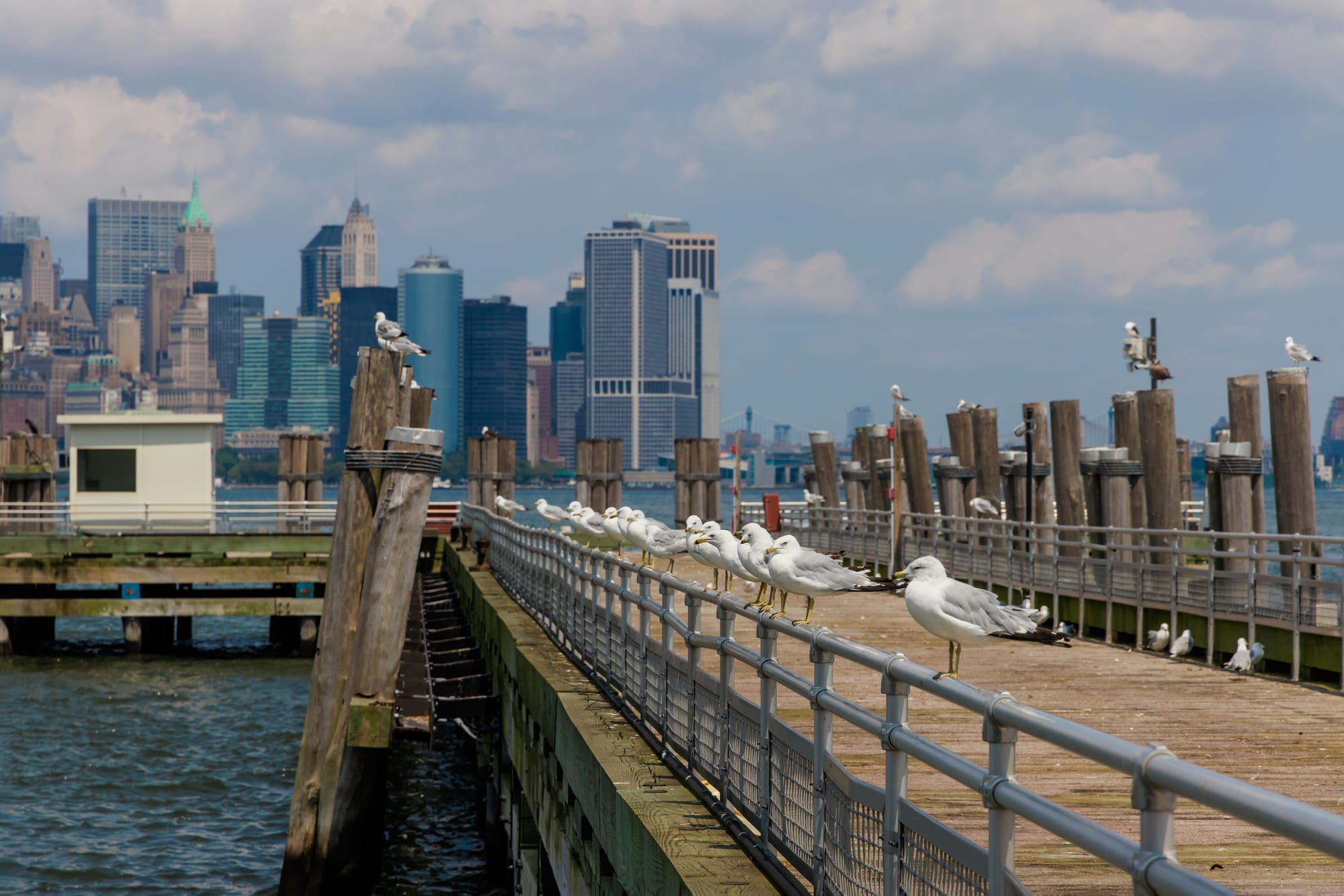
Each spring and fall, roughly 200 million birds travel through New Jersey along the Atlantic Flyway, yet reflective glass and bright nighttime building lights turn dense urban corridors into deadly obstacles. Now, after years of grassroots organizing by groups like Jersey City Birds and the Feminist Bird Club of Jersey City, that neighborhood-level advocacy is helping launch a new statewide conservation effort.
Why It Matters for Local Communities
Across the United States, collisions with glass and predation by outdoor cats account for more than 2 billion bird deaths each year. Because most birds migrate at night, artificial lighting and reflections of trees or open sky on glass buildings frequently disorient them.
Rather than treating conservation as a top-down mandate, the Bird City New Jersey framework relies on residents, building managers, planners, and local officials working together on practical changes. Simple retrofits—like applying patterned films, decals, or tempera paint dots to exterior windows—can cut glass collisions by up to 90 percent.
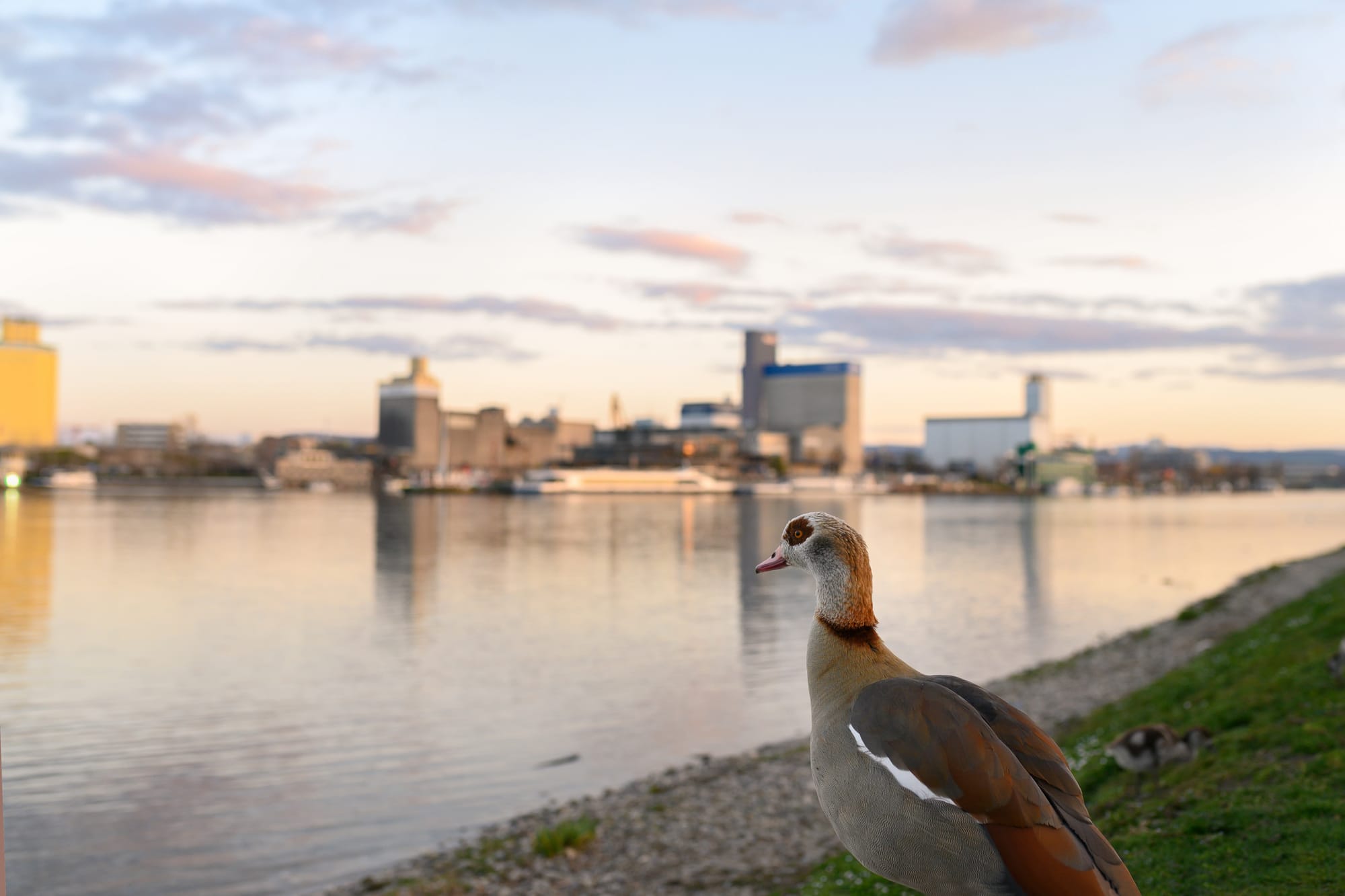
“Jersey City has shown what’s possible when residents, community organizations, and local government work together to make a city safer and more welcoming for birds,” said Lorraine Freeney, founder and executive director of Jersey City Birds. “We’re excited to build on that work as part of Bird City New Jersey and help create a pathway for communities across the state to strengthen their own bird conservation efforts.”

How Other Cities and Towns Can Join
With more than 200 bird species breeding in New Jersey alongside millions passing through each year, state officials are encouraging other municipalities to follow Jersey City's lead. To earn Bird City designation, communities must pass a local governing body resolution, form a volunteer team, and commit to actionable steps such as:
- Making buildings safer: Identifying high-risk structures during migration seasons and partnering with property owners on bird-friendly glass retrofits and dimmed nighttime lighting.
- Restoring local green spaces: Promoting native plants, building sustainable urban habitats, and managing invasive species.
- Community education and policy: Hosting public awareness programs and supporting local ordinances, such as leash laws, that protect ground-feeding and nesting birds.
Ward E Councilwoman Eleana Little noted that the effort reflects how grassroots environmental stewardship strengthens neighborhoods for everyone who lives in them—both human and wildlife.
Resources
For more information on how a community can become a Bird City or to learn more about bird-friendly building practices, visit https://birdcity.org/ or New Jersey’s webpage at https://birdcity.org/newjersey
Inquiries about the Bird City New Jersey program may be emailed to Birdcitynj@dep.nj.gov
The mission of the New Jersey Conservation Foundation is to preserve land and natural resources throughout New Jersey for the benefit of all. Learn more at https://www.njconservation.org/
American Bird Conservancy takes bold action to conserve wild birds and their habitats throughout the Americas. See www.abcbirds.org
Environment for the Americas connects people to nature and birds through research, education, and outreach. Visit www.environmentamericas.org

Comments ()