Los Angeles Ribbon Cuttings and Asphalt: The Human Cost of Mid-Century Highways
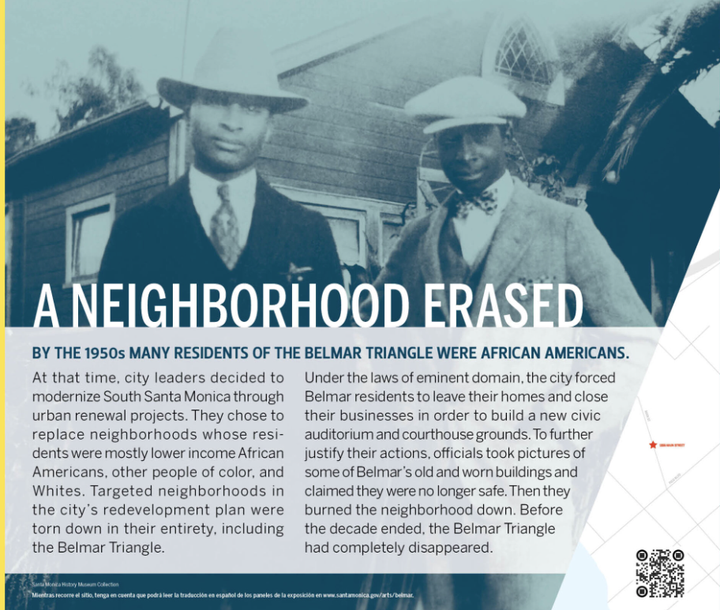
As federal and state infrastructure programs expanded, planners routinely routed highways directly through Black and Brown neighborhoods, treating established communities as clearable space for suburban commute lines.
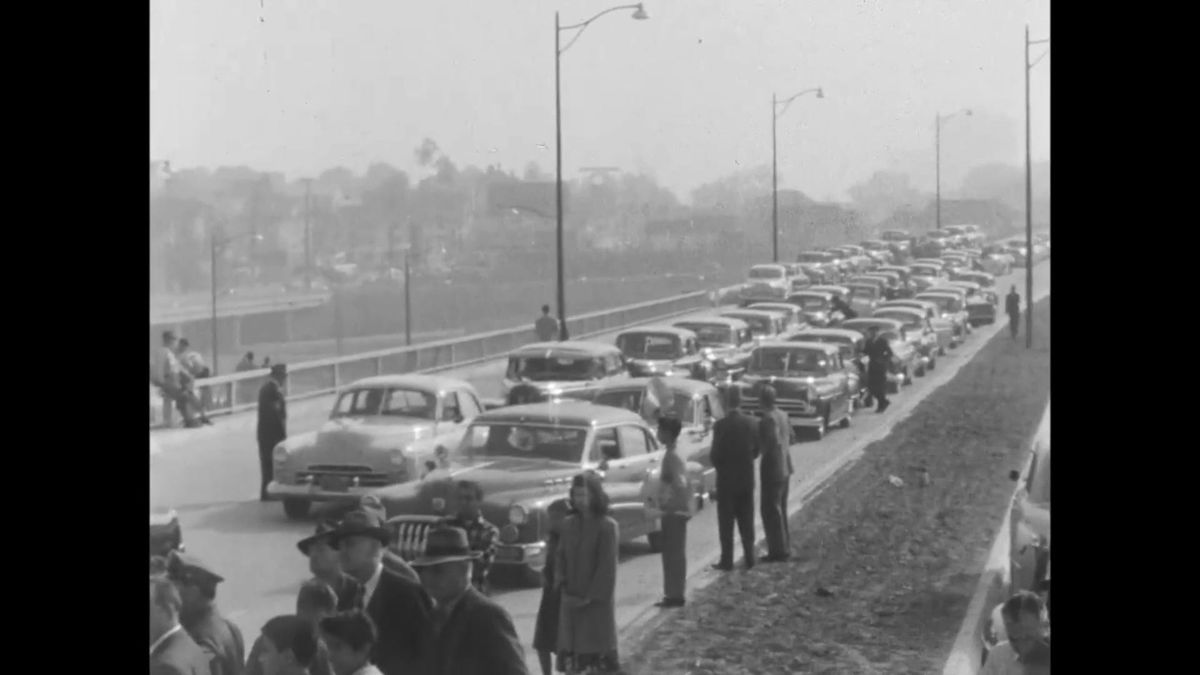
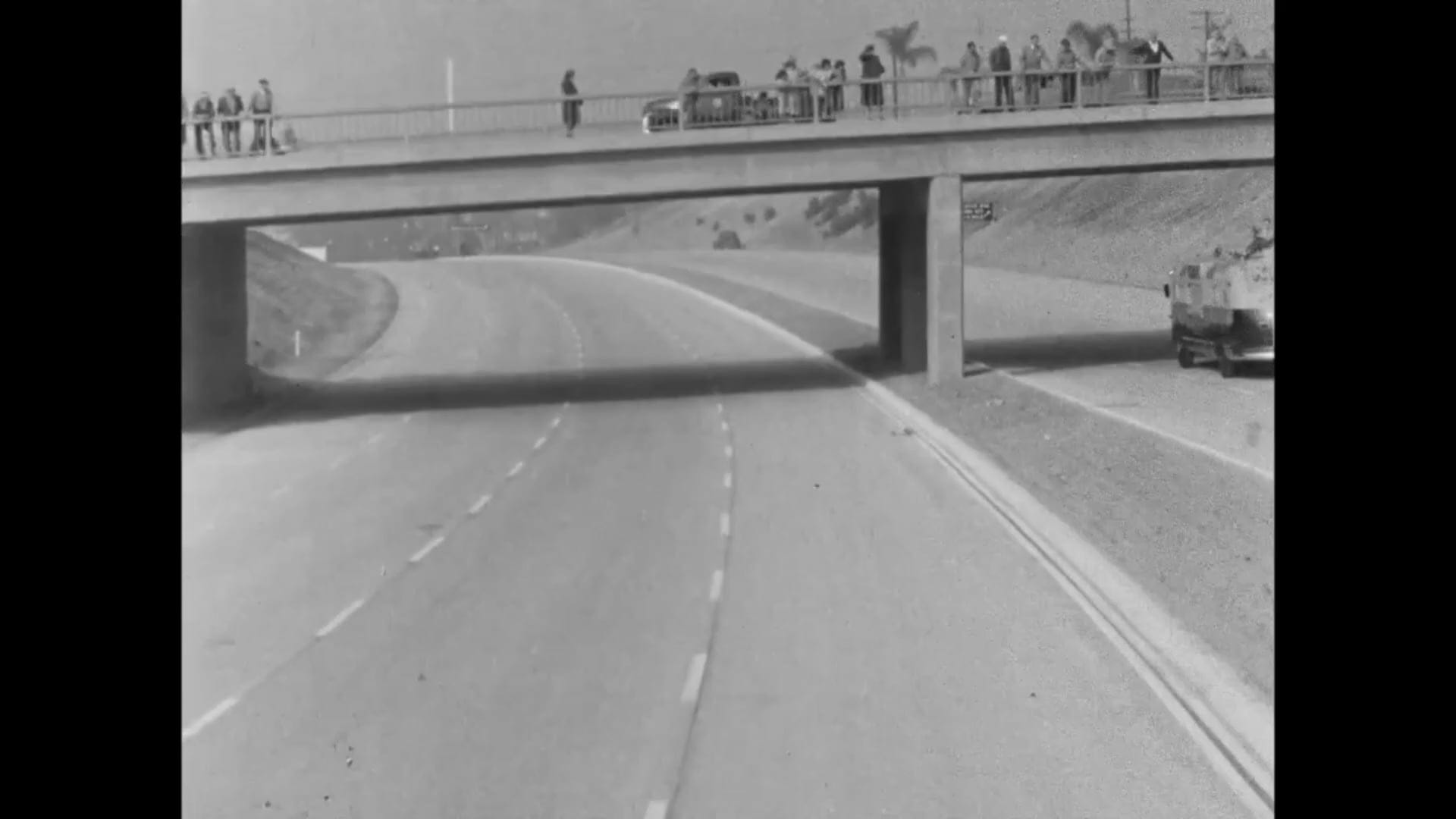
On December 27, 1950, city officials and police leadership gathered to cut the ribbon on the newest stretch of US Route 101 in Los Angeles. Preserved in the digital archives at the University of Southern California, the silent footage captures smiles, official handshakes, and ceremonial speeches. But beneath the celebration of post-war progress was a quieter, devastating reality: the displacement of Black and Latino families whose homes stood directly in the highway's path.
Long before concrete stretched from Grand Avenue to Silverlake Boulevard, these urban corridors were home to vibrant, working-class communities where families-built networks, businesses, and neighborhood roots.
Can't see the video in your email?
visit IN THE WAKE.TV/WAKETHEARCHIVES
Los Angeles was a blueprint for a nationwide trend. In Detroit, Interstate 75 cut directly through the heart of Black Bottom and Hastings Street, destroying a thriving Black business and cultural center. In Miami, Interstate 95 shattered the historic community of Overtown. In New York, Robert Moses’s Cross Bronx Expressway displaced tens of thousands of working-class residents, while in Newark, Interstate 280 and Route 21 sliced through established Black neighborhoods.
The officials who cut those ribbons saw miles of asphalt, but the families living there carried the long-term weight of lost homes, fractured wealth, and displaced history. Understanding these mid-century design choices is essential to today’s fights for housing justice, transit equity, and community-led development across our cities.
Why This Story Matters
- People Over Infrastructure: Behind ribbon-cutting ceremonies and urban planning maps are real families whose neighborhood bonds and housing stability were sacrificed for municipal expansion.
- A Shared Regional History: The practice of running highways through non-white working-class districts wasn't an accident of one city—it was a national policy pattern felt from Newark and Brooklyn to Detroit, Miami, and Los Angeles.
- Connecting History to Present Day: The generational loss of property and community wealth caused by highway displacement directly informs today's conversations around urban reinvestment, housing preservation, and environmental justice.
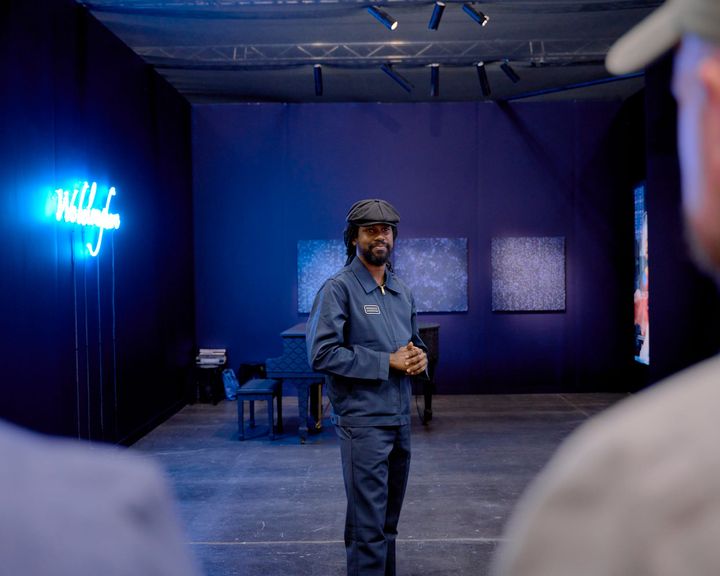
IN THE WAKE TV is a community-centered media platform rooted in New York and New Jersey. Through original storytelling, photography, and curated journalism, we document Black life where it is lived while highlighting the relationships that connect our communities across regions.
The story of 1950 Los Angeles is a local history, but its heartbeat belongs to every neighborhood from Newark and Camden to Detroit and Philadelphia, where families continue to reclaim their narrative, protect local resources, and build futures rooted in collective dignity.
Comments ()