Martín "Tito" Pérez: The Artist, the Congas, and the Demand for Truth in East Harlem
The demand for transparency regarding deaths in custody and the protection of street artists in 1974 Manhattan mirrors ongoing fights for community safety across Newark, Philadelphia, Detroit, and Brooklyn.
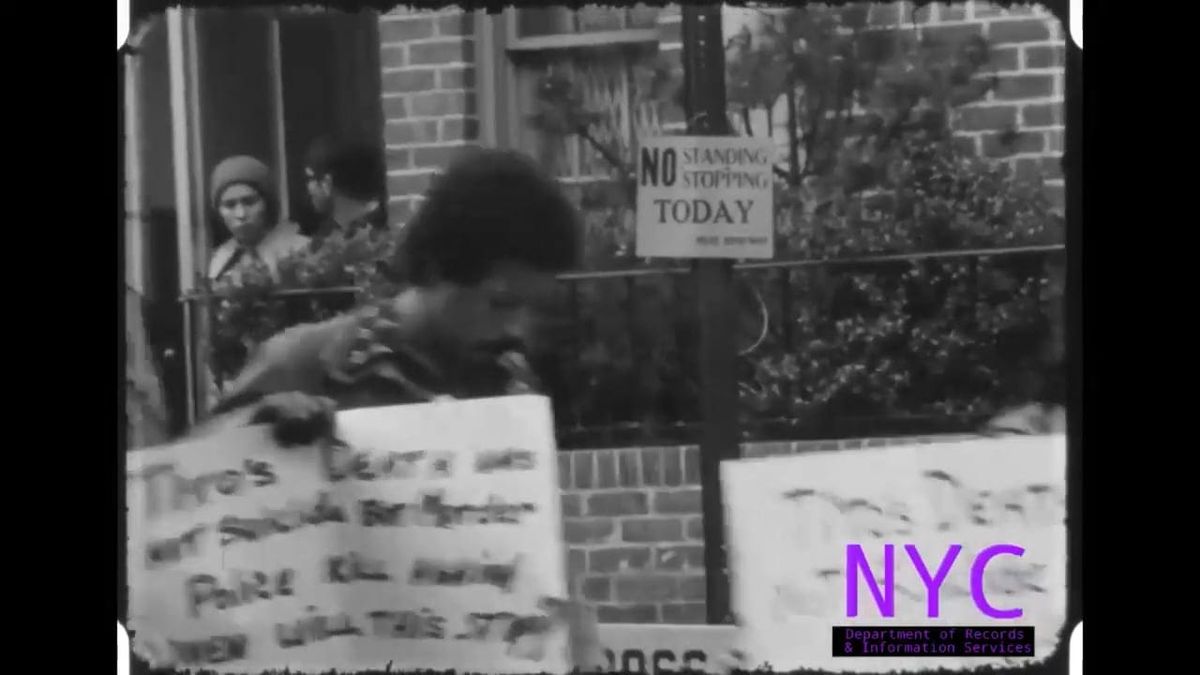
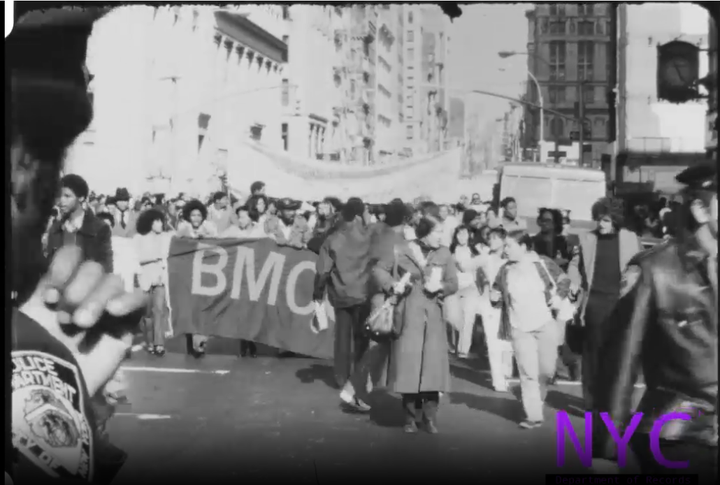
On December 13, 1974, police cameras recorded a 94-second surveillance reel in Manhattan. The NYPD logged the footage as routine observation, but the lens preserved a neighborhood rising in grief, love, and moral clarity for Martín "Tito" Pérez.
Tito was a 31-year-old Nuyorican visual artist, member of the Taller Boricua collective, and musician whose prints and paintings now reside in El Museo del Barrio. On December 1, 1974, he was arrested for playing his conga drums in the subway—a common way young neighborhood artists made ends meet. Hours later, police claimed Tito had hanged himself with a belt inside an East Harlem precinct cell. Knowing Tito never wore a belt, his family, friends, and fellow artists recognized a coverup of police violence.
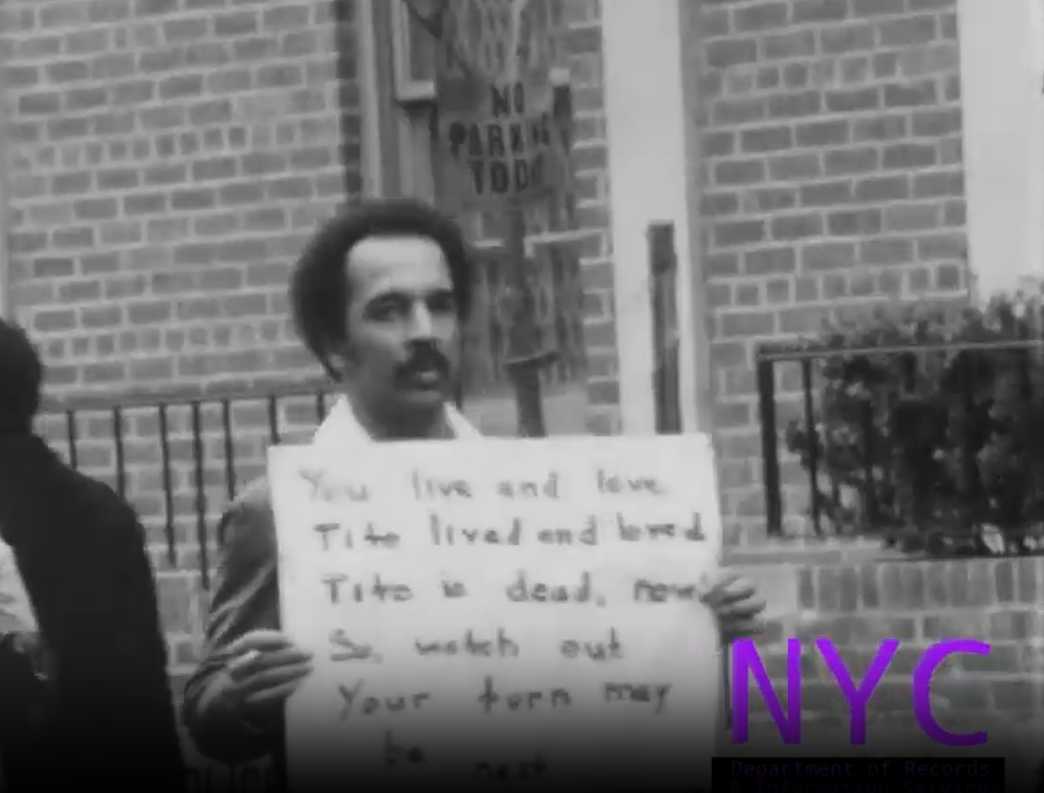
Members of Taller Boricua formed the December 1st Committee, pasting prints across the city and organizing peaceful marches to demand truth. Standing along the sidewalk, neighbors held up signs reading "Tito Was Murdered" alongside handwritten poetry celebrating his spirit. They refused to allow a gifted artist and neighbor to be reduced to a police file.
Can't see this video in your email, visit www.inthewake.tv/wakethearchive
Why This Story Matters
- People Before Institutions: Martín "Tito" Pérez was a painter, conga player, and cultural worker; centering his life and art restores dignity to a story too often flattened by headlines.
- Artistic Action & Truth: Taller Boricua and the December 1st Committee demonstrated how local artists and residents use visual culture and community organizing to confront institutional harm.
IN THE WAKE TV is a community-centered media platform rooted in New York and New Jersey. Through original storytelling, photography, and curated journalism, we document Black and Brown life where it is lived while highlighting the relationships that connect our communities across regions.
The story of 1974 Manhattan is a local history, but its heartbeat belongs to every neighborhood from Newark and Camden to Detroit and Philadelphia, where families continue to reclaim their narrative, protect local resources, and build futures rooted in collective dignity.
Comments ()