Memory, Lineage, and the Table We Share: Why Pittsburgh’s Jazz Festival Matters for The Culture
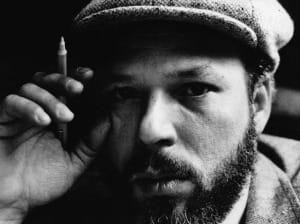
When playwright August Wilson documented Black life, he anchored his work in the belief that history, humor, struggle, and imagination are best understood through the everyday cadences and lived experiences of real people. Inside the Pittsburgh institution bearing his name, that living archive continues—not only through text, but through the enduring pulse of American jazz.
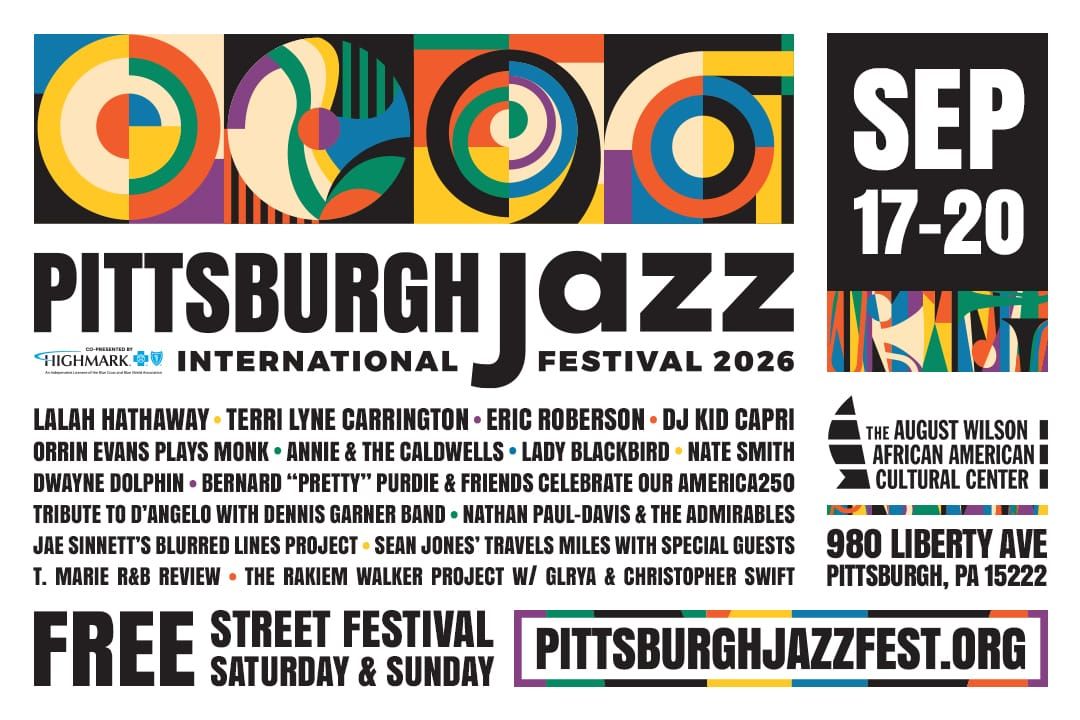
As the 16th Annual Pittsburgh International Jazz Festival prepares to open at the August Wilson African American Cultural Center (AWAACC), the gathering represents far more than a weekend of performances. It serves as a vital mirror of cultural continuity, legacy, and community health.
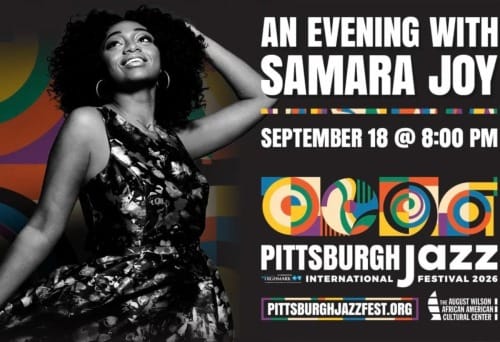
At 26 years old, vocalist Samara Joy embodies the delicate balance of honoring heritage while shaping the future. By reinterpreting the Great American Songbook with emotional clarity and personal phrasing, her artistry bridges generational divides. She joins a vast continuum—sharing a program alongside masters such as Terri Lyne Carrington, Bernard Purdie, Lalah Hathaway, and Pittsburgh’s own Roger Humphries Sr. In their hands, jazz is never treated as a static historical artifact; it remains a dynamic conversation between elders, young artists, and the community.
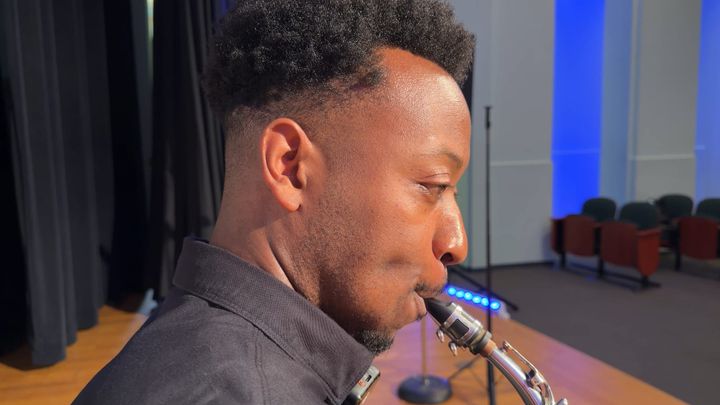
Crucially, cultural memory is rarely sustained on stage alone. It lives equally in how people gather off the stage. The festival's intentional pairing of local music with neighborhood culinary traditions—bringing together regional vocalists, drummers, and local food makers—honors the traditional Black gathering space, where music and food function as catalysts for fellowship.
For communities across Pittsburgh and the surrounding region, institutions like the AWAACC offer an essential physical anchor. They are spaces designed for Black artistry, imagination, and collective joy to exist in their full complexity. Gatherings like this remind us that preserving our sound, our stories, and our spaces is not merely about entertainment—it is about preserving our collective identity and honoring the people who build it every day.
For more information visit https://pittsburghjazzfest.org/

Comments ()