Prospect Park West, 1970: Culture, Protest, and the West Indian Day Parade
In a city where Black and immigrant working-class families faced systemic hurdles, Carnival served a dual purpose—it was both a cultural homecoming and an active public forum for neighborhood advocacy.
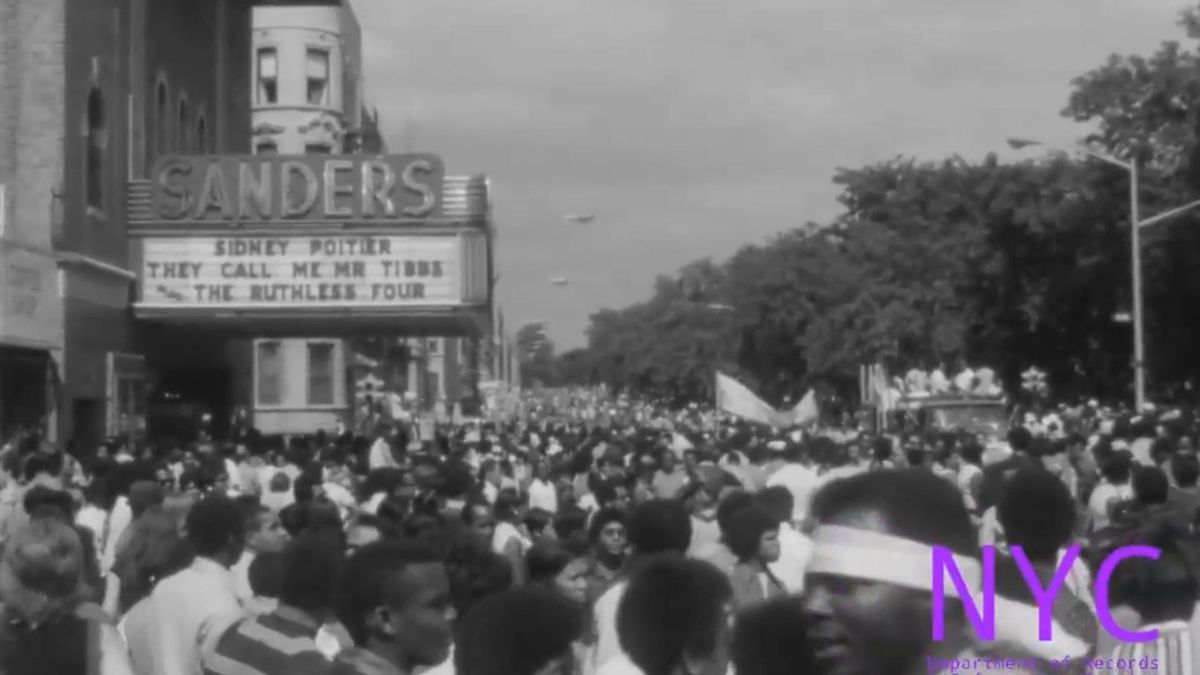
In September 1970, thousands of Caribbean New Yorkers flooded Prospect Park West in Brooklyn for the annual West Indian Day Parade. Recorded in a silent surveillance reel by the NYPD’s Bureau of Special Services, the footage preserved a living archive: a community gathering not just to celebrate heritage, but to demand equity.
Moving past local Brooklyn landmarks like the Sanders Theatre, the parade’s original route brought steelpan, masquerade, and Caribbean tradition directly through neighborhood streets. As West Indian families-built homes, small businesses, and community networks across Brooklyn, taking over the avenue became a vital expression of diaspora and belonging.
Can't see this video in your email visit, www.inthewake.tv/wakethearchive
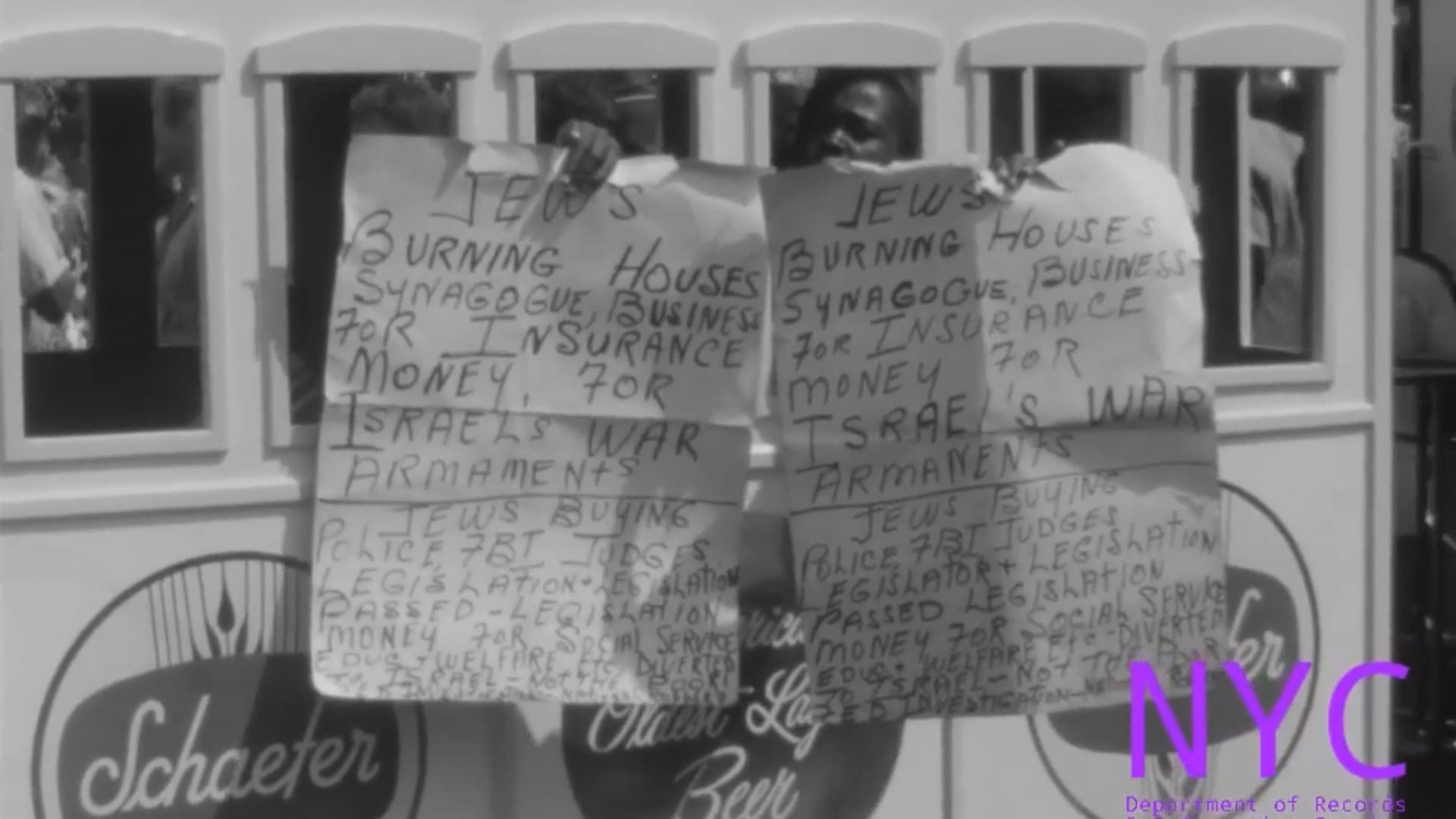
While police cameras monitored the crowd from above, residents in the street carried hand-written signs calling out local housing conditions, economic neglect, and police accountability.
The names of the parade routes and neighborhood blocks may shift over decades but using public space to assert culture while pushing for living wages and housing dignity remains the exact same struggle today. The spirit of 1970 Brooklyn echoes directly into modern organizing and cultural preservation across Newark, Boston, Philadelphia, and Miami.
Why This Story Matters
- People Over Surveillance: Reclaiming police surveillance footage centers the intent of the residents—showing that what institutions viewed as a crowd to monitor was actually a community organizing for its own wellbeing.
- The Dual Nature of Carnival: West Indian Day was never just a party; it was an arena where cultural joy and political commentary existed side by side as tools for community survival.
- Preserving Geographic Memory: Remembering original routes like Prospect Park West honors the physical history of Brooklyn’s working-class Caribbean neighborhoods and their ongoing legacy.
IN THE WAKE TV is a community-centered media platform rooted in New York and New Jersey. Through original storytelling, photography, and curated journalism, we document Black life where it is lived while highlighting the relationships that connect our communities across regions.
The story of 1970 Brooklyn is a local history, but its heartbeat belongs to every neighborhood from Newark to Detroit, where families continue to reclaim their narrative, protect local resources, and build futures rooted in collective dignity.
Comments ()