Reframing the Revolution: Noelle Lorraine Williams Honors Black Women’s Freedom-Making at Project for Empty Space
At a time when national conversations around American history remain deeply contested, Black Revolutionary Women offers a vital counternarrative.
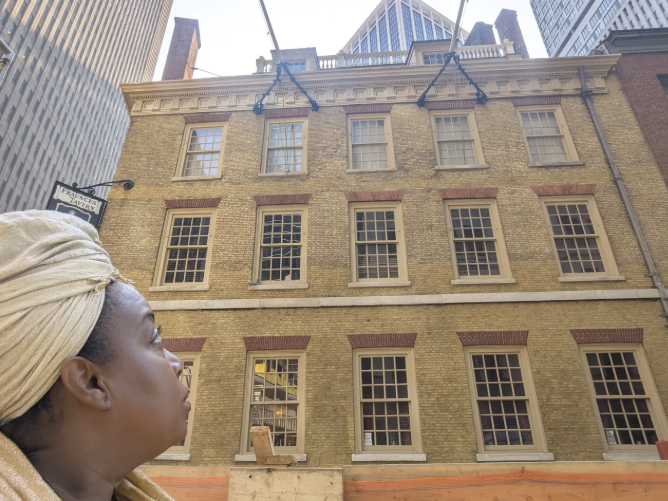
In the wake of the 250th anniversary of the Declaration of Independence, mainstream narratives surrounding the American Revolution continue to center elite statesmen and military battlefields. But in Newark, New Jersey, public humanities specialist, artist, and historian Noelle Lorraine Williams is posing a different, crucial question: Whose freedom was fought for, and whose stories are remembered?
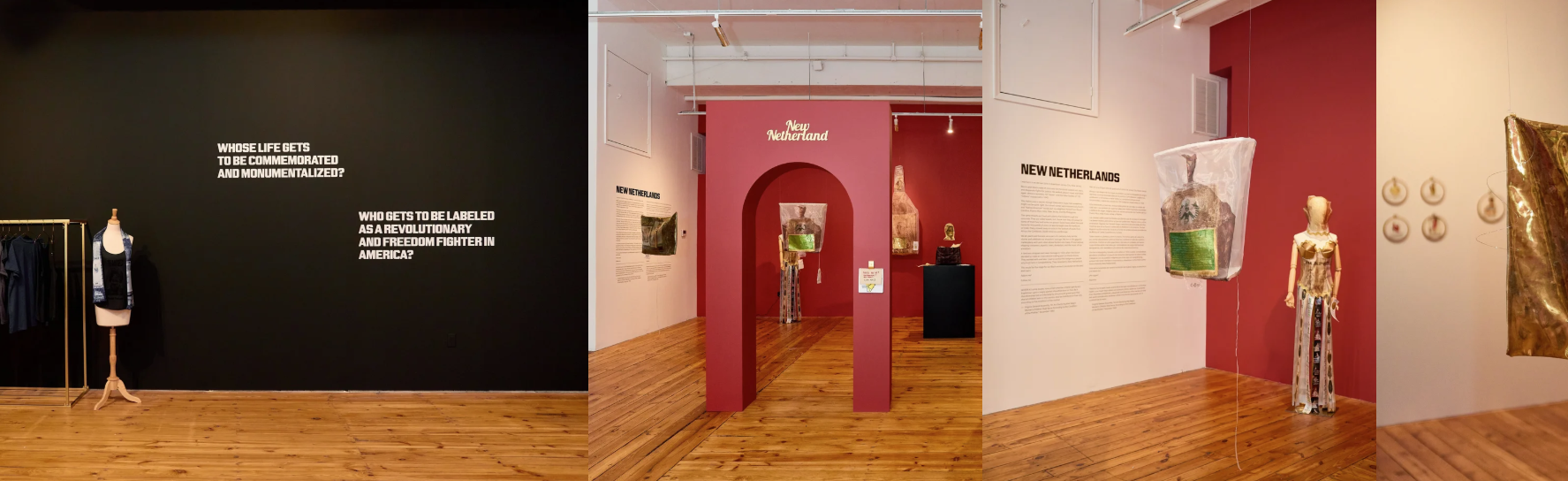
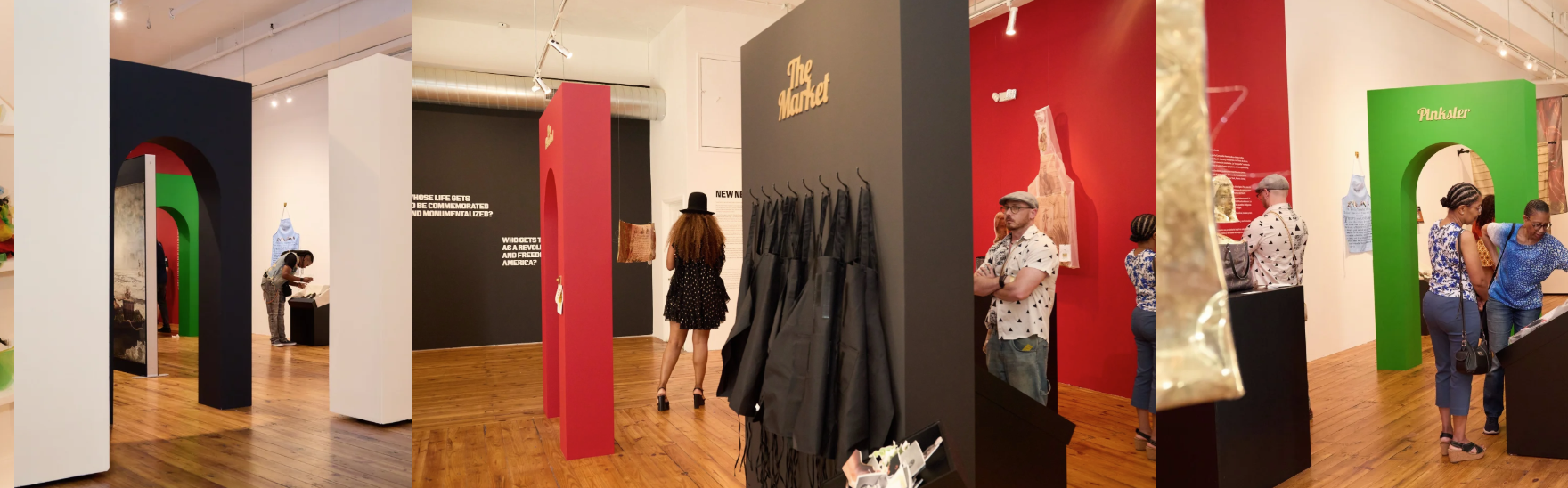
On view at Project for Empty Space (800 Mayor Kenneth A. Gibson Boulevard, Newark, NJ) from October 7 through October 11, 2026, Williams’ solo exhibition, Black Revolutionary Women: 250 Years of a Colony Within a Colony, offers a profound re-examination of historical memory. Serving as the culmination of her two-year Cycle 9 Artist-in-Residence program at Project for Empty Space, the multidisciplinary exhibition and community event series centers Black women’s survival, resistance, and self-liberation across the Americas.
Want to uncover the history behind these revolutionary women? Join Noelle Lorraine Williams each Wednesday to learn the story of the largest rebellion by African American women in the 18th century.Watch the video and tune into the podcast conversation here.
Rooted Locally: Unearthing Newark and Regional Colonial Realities
Williams’ work grounds itself directly in the geographical and historical landscape of New Jersey, New York, and Philadelphia—lands shaped by Dutch, Swedish, and British colonial regimes on Indigenous Lenapehoking land.
Drawing on extensive archival research, including thousands of 18th- and 19th-century "runaway" and "freedom seeker" newspaper advertisements, Williams examines the specific conditions imposed on enslaved Black women. She describes their lived experience under expanding colonial economies as existing within a "colony within a colony"—a state where autonomy was strictly restricted, precarious, and constantly contested.
Rather than relying solely on traditional institutional records, Williams bridges official history with the intimate texture of everyday life. Her multidisciplinary approach incorporates installations, performance, collage, and elements from her broader public humanities project, Black Power! 19th Century. By combining historical text and photographs with thread, fabric, newsprint, archival art, and popular culture, she utilizes forms deeply tied to women’s craft to retell stories of resistance that standard history books frequently omit.
Connected Regionally: The 914 Women of Nova Scotia and the Atlantic World
Black women’s pursuit of liberty was never confined by local borders; it rippled across interconnected regional and global networks.
A central touchstone of Black Revolutionary Women is the documented 914 Black women who secured their freedom during the Revolutionary War and were evacuated alongside British forces to Nova Scotia. By connecting the experiences of these women to broader emancipation struggles across the Atlantic world, Williams highlights how Black women continually navigated complex geopolitical conflicts to claim space and autonomy for themselves and their families.
From Lenapehoking to Nova Scotia, the exhibition maps out how survival strategies and freedom-making traditions flowed across regions, establishing a precedent of Black female resistance that laid the groundwork for 19th-century abolitionist movements.
Relevant Nationally: Redefining What It Means to Be a Freedom Fighter
The exhibition challenges national definitions of patriotism, revolution, and liberation by expanding the category of "freedom fighter" beyond political elites to include the everyday women who resisted human bondage.
Through its focus on social equity, historical accuracy, and community engagement, Black Revolutionary Women provides an essential space for visitors to reflect on how 250 years of resistance directly shape modern movements for justice today.
Exhibition & Event Details:
- Exhibition: Black Revolutionary Women: 250 Years of a Colony Within a Colony
- Artist: Noelle Lorraine Williams (Cycle 9 Artist-in-Residence)
- Dates: October 7 – October 11, 2026, | 11:00 AM – 5:00 PM
- Location: Project for Empty Space, 800 Mayor Kenneth A. Gibson Boulevard (Broad St.), Newark, NJ 07102
- More Information: projectforemptyspace.org/blackrevolutionarywomen

Comments ()