Standing for Equity at Rochdale Village: How Queens Organizers Demanded Inclusion
Queens residents refused to accept a reality where Black workers were barred from building housing in their own neighborhood.
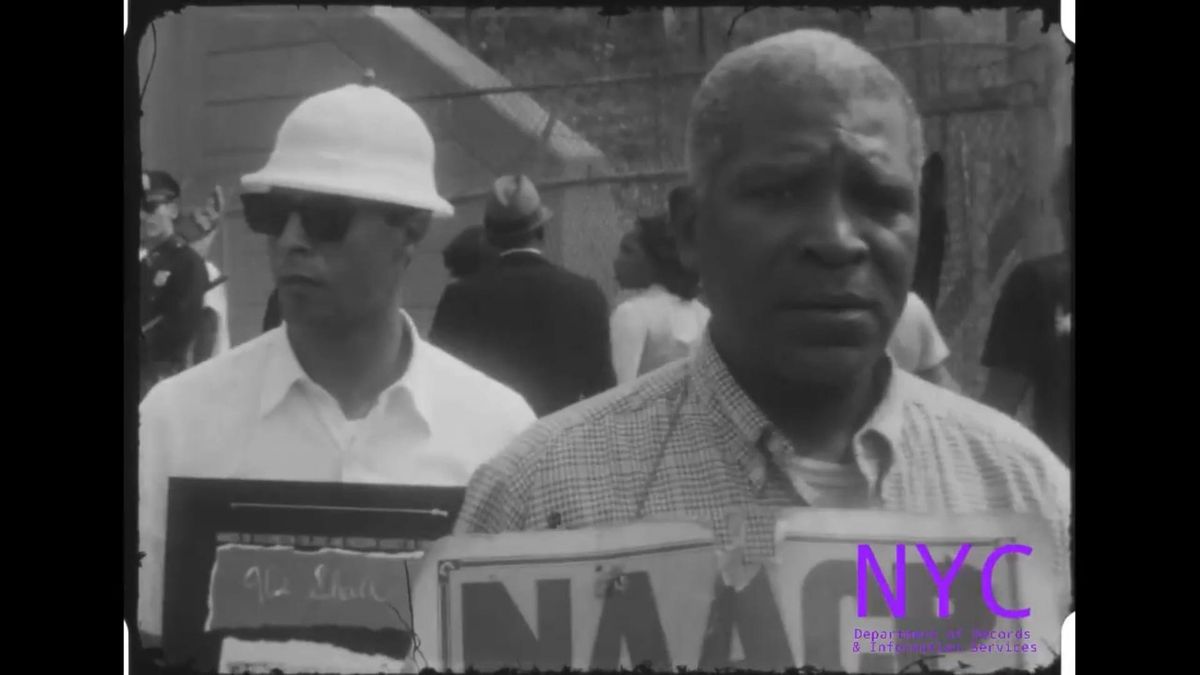
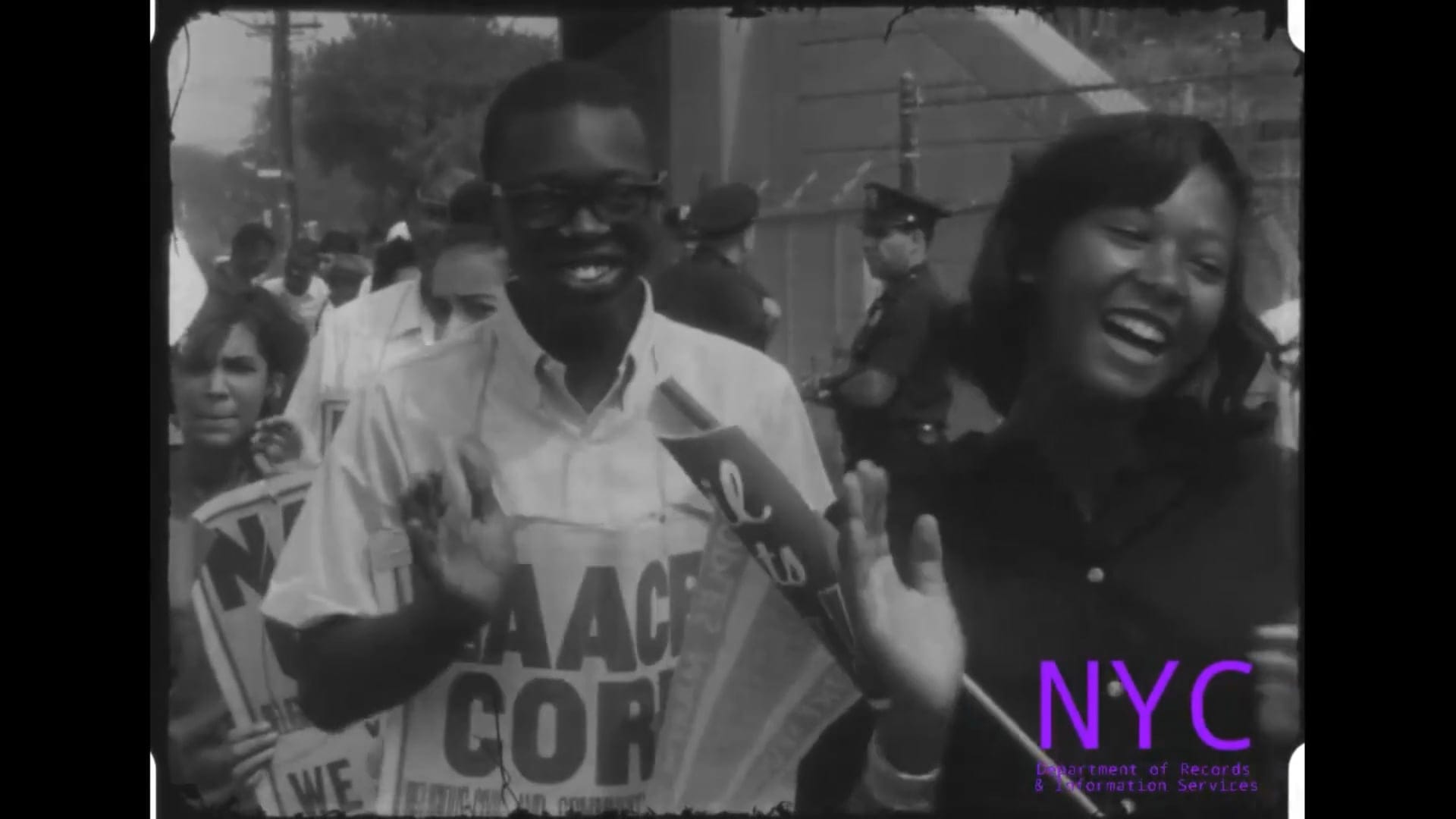
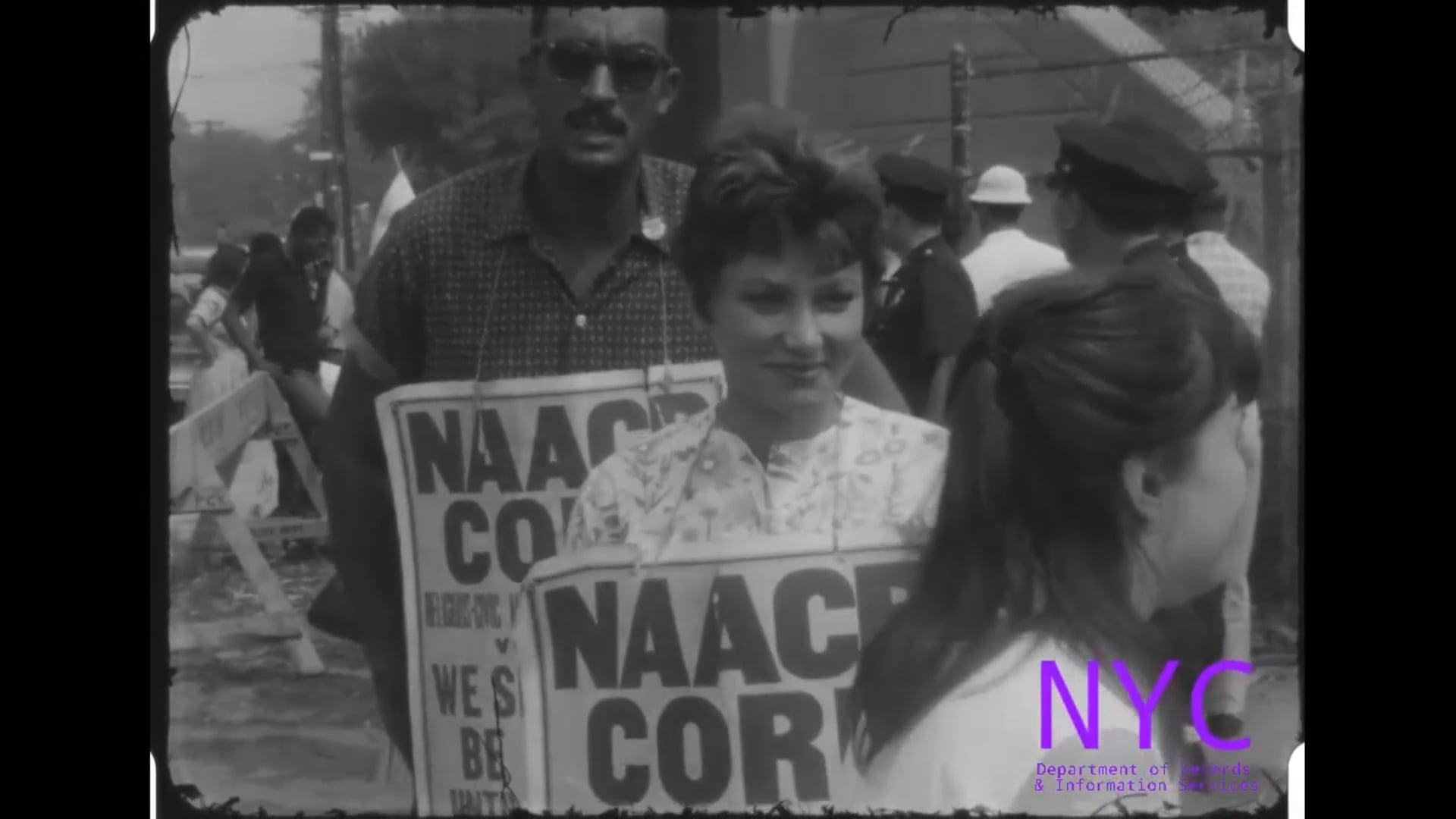
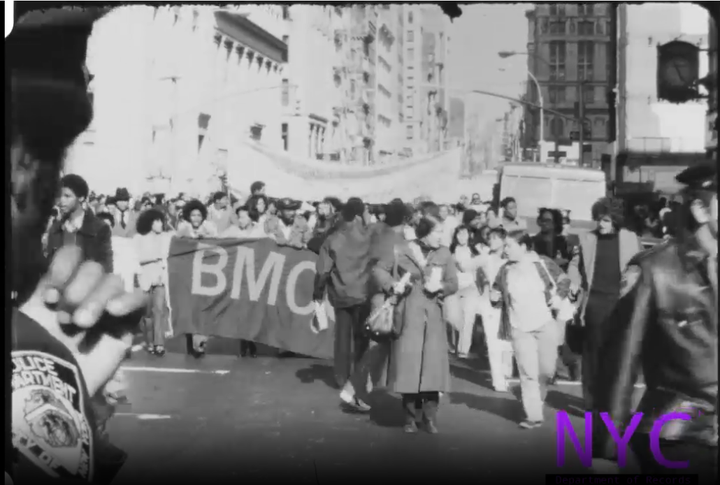
In September 1963, as construction moved forward on the Rochdale Village housing cooperative in Queens, members of the Congress of Racial Equality (CORE) and the NAACP gathered at 133rd Avenue and New York Boulevard to demand fair hiring practices. Captured in a three-minute surveillance reel recorded by the New York Police Department’s Bureau of Special Services, the silent footage offers a glimpse into local civil rights organizing in New York City.
While government surveillance intended to observe the demonstration, the recording preserved a pivotal moment of community action. Demonstrators stood at the intersection to ensure Black workers were not excluded from the economic opportunities being created directly within their neighborhood.
A Site of Transformation
Long before Rochdale Village was built, the land served as the Jamaica Race Course, operated by the Metropolitan Jockey Club and later the Greater New York Association. When racing operations shifted to Aqueduct Racetrack, the Jamaica track was closed in 1959 and demolished. In its place, the state pursued the Mitchell-Lama Housing Program to build affordable housing for low- and middle-income families. Architect Herman Jessor designed the sprawling complex, drawing inspiration from Le Corbusier's modern urban vision. Upon its opening, Rochdale Village became the largest private cooperative housing complex in the world.
The Human Cost of Progress
Though envisioned as a national model for integrated living, the development was fraught with racial inequity from the start. Trade unions involved in constructing the site systematically excluded Black laborers—a hypocrisy documented in the 1963 National Educational Television program Confronted.
As early as 1961, twenty-three protesters were arrested for disrupting construction, including William Booth, who would later head Mayor John V. Lindsay's Human Rights Commission.
When the complex opened in 1963, about 10 percent of the units were allocated to Black residents. Over the following decade, discriminatory real estate practices like block-busting, paired with white flight driven by racial fear, rapidly altered the community’s demographics. By the early 1980s, institutional neglect left the complex struggling to maintain basic utilities, leaving many apartments vacant.
Why This Story Matters
- People Over Institutions: While the footage originates from a police logbook, the real narrative belongs to the residents, organizers, and neighbors who put their bodies on the line to demand labor equity.
- Connecting History to Present Day: The fight for job access and housing stability at Rochdale Village connects directly to ongoing conversations across Newark, Detroit, and New York regarding community wealth, development, and economic inclusion.
- Preserving the Living Archive: Reclaiming surveillance footage allows us to center the dignity, intent, and agency of community organizers rather than the institutional lens that recorded them.
IN THE WAKE TV is a community-centered media platform rooted in New York and New Jersey. Through original storytelling, photography, and curated journalism, we document Black and Brown life where it is lived while highlighting the relationships that connect our communities across regions.
The story of 1963 NYC is a local history, but its heartbeat belongs to every neighborhood from Newark and Camden to Detroit and Philadelphia, where families continue to reclaim their narrative, protect local resources, and build futures rooted in collective dignity.
Comments ()