Waltham, 1976: Beyond the Ceremonial Podium—Barbara Jordan’s Call to Refuse Silence
Addressing the graduating class during a period of national disillusionment, Congresswoman Jordan cut through standard graduation platitudes with a direct question: "Why have you stopped speaking? Don't be quiet while people are eroding the foundations of this country."
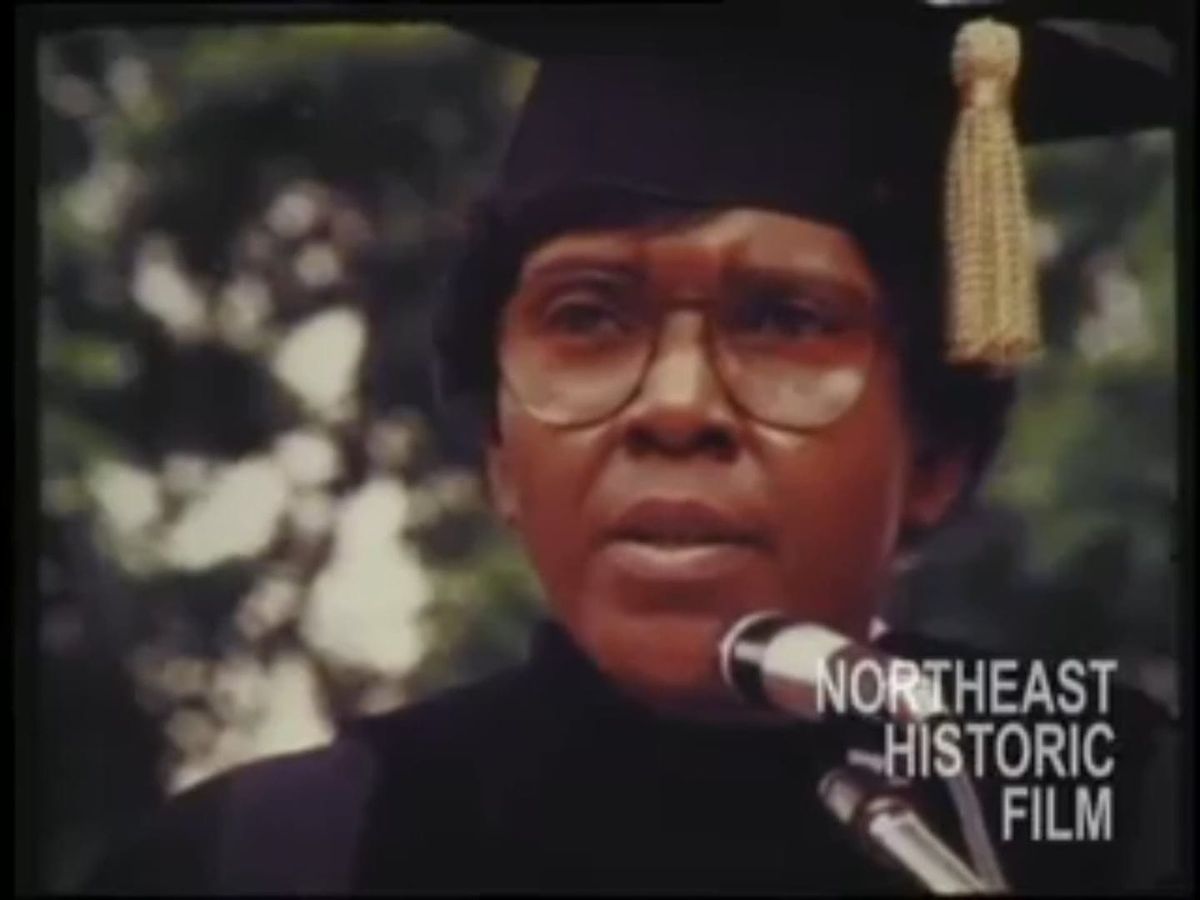
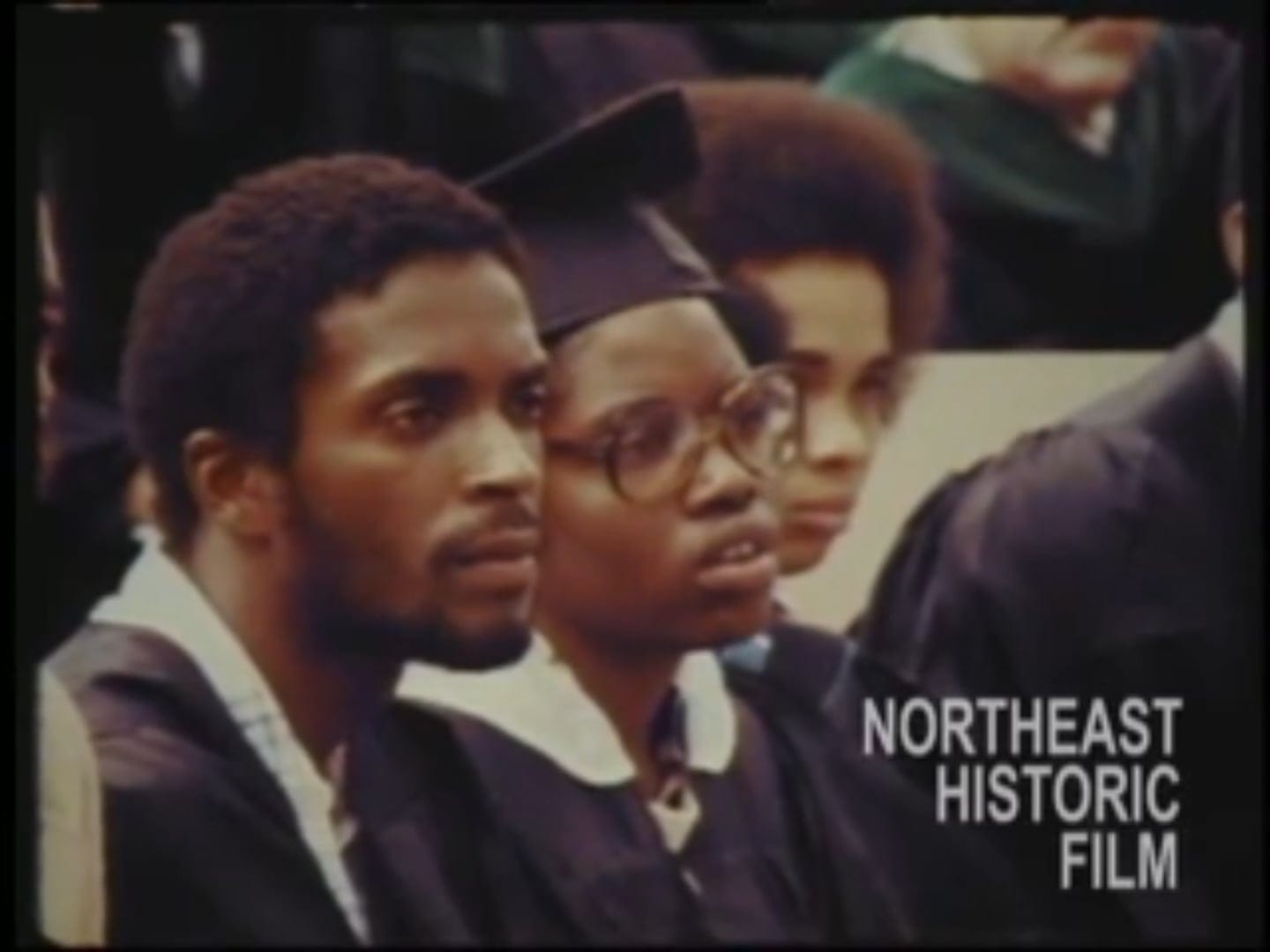
On May 30, 1976, news cameras gathered at Brandeis University to capture traditional commencement coverage—faculty singing, graduates seated in cap and gown, and families celebrating an educational milestone. But when U.S. Representative Barbara Jordan took the podium, the atmosphere shifted from routine ceremony to urgent civic challenge.
Raised in Houston’s segregated Fifth Ward, Jordan had spent her life dismantling systemic barriers—becoming the first African American elected to the Texas State Senate since Reconstruction and the first Black woman from the South elected to the U.S. House of Representatives. Standing at the peak of her national authority after her constitutional defense during the 1974 Watergate hearings—and just six weeks before making history as the first Black woman to keynote a Democratic National Convention—Jordan spoke with distinct moral clarity.
Can't see the embed in your email, WATCH HERE AT IN THE WAKE TV:
Rather than treating young graduates as passive observers, Jordan called on them to recognize that silence offers no protection when public trust and democratic institutions are under threat.
The Lived Experience
While mainstream broadcasts often framed commencement season as a fleeting rite of passage, the message delivered that day spoke directly to how public accountability shapes everyday life:
- 🎓 Access & Opportunity: Graduation represents years of family sacrifice, late nights, and collective community investment. Jordan challenged emerging scholars to take their education and immediately apply it toward defending public goods and neighborhood needs.
- 🏛️ Institutional Accountability: Drawing from her experience defending the Constitution, Jordan reminded the audience that democracy relies on continuous community oversight and active participation—not quiet compliance.
- 🛡️ Rejecting Silence: Demonstrating intergenerational leadership, Jordan emphasized that lasting safety and justice are built when everyday people, emerging leaders, and working families actively speak up for their rights and for one another.
The Story Behind the Lens
This 16mm news film captures snippets of student and faculty performances, wide shots of graduates gathered in the crowd, and rare sound bites from Barbara Jordan’s address. While news outlets filmed the event primarily as a standard package for quick broadcast, the archival audio preserves an essential moment of Black leadership and civic warning—reminding us how communities preserve their voice during times of political uncertainty.
Why It Matters Today
Five decades later, as public institutions, educational access, and voting rights face ongoing pressure, Barbara Jordan’s question remains just as urgent. Looking back at May 1976 reminds us that civic progress has never been maintained through silence. When structural foundations are challenged, communities draw strength from intergenerational wisdom, active engagement, and the courage to speak truth in public spaces.
🌊 Rooted Locally. Connected Regionally. Relevant Nationally.
IN THE WAKE TV is a community-centered media platform rooted in New York and New Jersey. We document Black life where it is lived while highlighting the relationships that connect our communities across regions.
The story of 1976 at Brandeis is a regional memory, but its heartbeat belongs to one interconnected community that happens to live in many places—from Newark and Camden to Detroit, Philadelphia, Boston, and Brooklyn—where families continue to protect local resources, honor their elders, and build futures rooted in collective dignity.
Comments ()