Four Environmental Films at Sundance Examining Systems and Survival
When environmental shifts happen, local communities are always the first to feel the impact and the first to respond.
These four films at Sundance skip abstract predictions to focus on the human side of climate, land, and survival—showing how everyday people are fighting to keep their neighborhoods rooted.
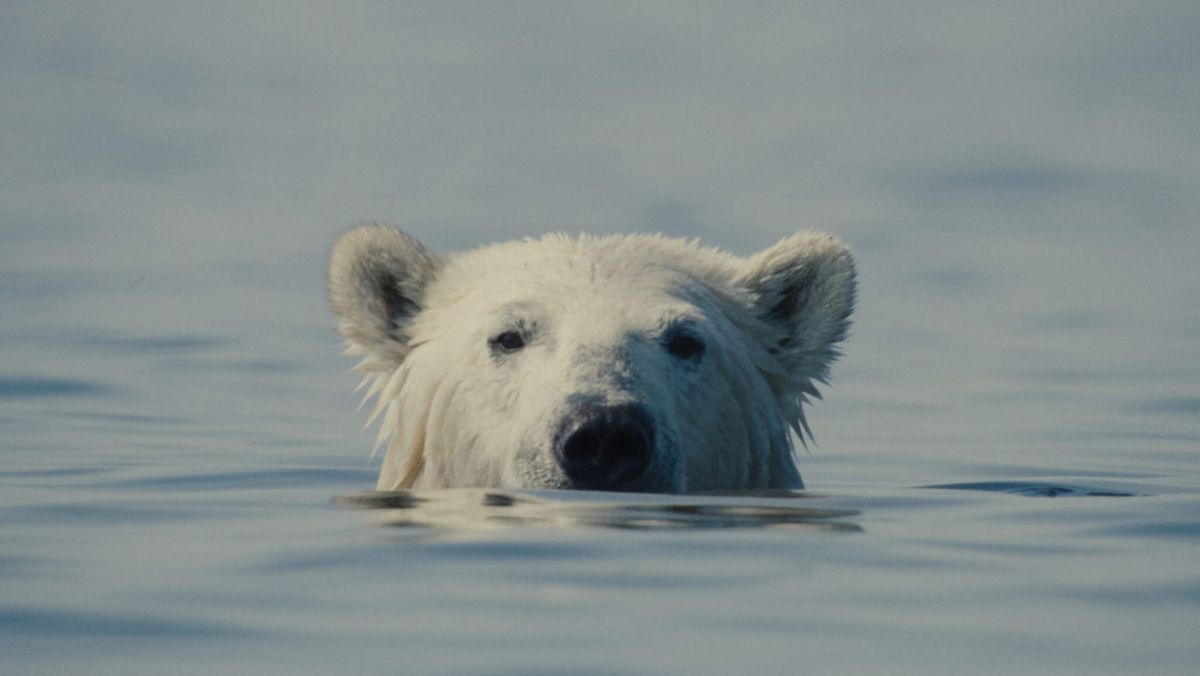
Nuisance Bear
- Directors: Gabriela Osio Vanden and Jack Weisman
- The Story: A study of human-wildlife encroachment set in Churchill, Manitoba, examining how polar bears are forced into contact with tourist infrastructure and municipal policing.
- Why It Matters: The film flatly rejects traditional nature documentary tropes that separate human development from natural habitats. By documenting how municipal systems frame wildlife survival as a public hazard, Nuisance Bear raises sharp questions about land management, displacement, and the structural forces shaping shared environments.
The Lake
- Director: Abby Ellis
- The Story: Two intrepid scientists and a political insider race against time to prevent the ecological collapse of Utah’s Great Salt Lake—a crisis threatening toxic dust storms and regional water supplies.
- Why It Matters: Environmental collapse is never an isolated event; it is an issue of public health and community survival. The Lake rejects passive doom-saying to focus on the human labor of intervention. By examining who bears the burden of resource mismanagement, the film grounds ecological policy in the everyday lives of residents dependent on the surrounding watershed.
To Hold a Mountain
- Directors: Biljana Tutorov and Petar Glomazić
- The Story: A pastoral community fights to protect their ancestral highlands from being repurposed into a military testing ground.
- Why It Matters: A story about land is ultimately a story about identity, heritage, and community self-determination. To Hold a Mountain centers local residents as the true experts of their environment, refusing to allow state interests to dictate the value of their homes. The documentary illustrates how grassroots resistance preserves both ecological integrity and cultural legacy.
Time and Water
- Director: Sara Dosa
- The Story: Inspired by Icelandic literature and philosophy, the documentary explores disappearing glacial landscapes and the cultural memory tied to water.
- Why It Matters: Environmental loss is deeply linked to cultural memory and collective identity. Time and Water grounds environmental shift in human emotion and heritage rather than detached scientific statistics. By treating natural resources as living history, the film highlights how environmental change reshapes how communities understand their place in the world.



Comments ()