The Invisible Infrastructure: Celebrating NYC’s Sanitation Workers—and Remembering What Happens Without Them
A city can survive a delay in almost any administrative function, but it cannot survive without its sanitation workers.
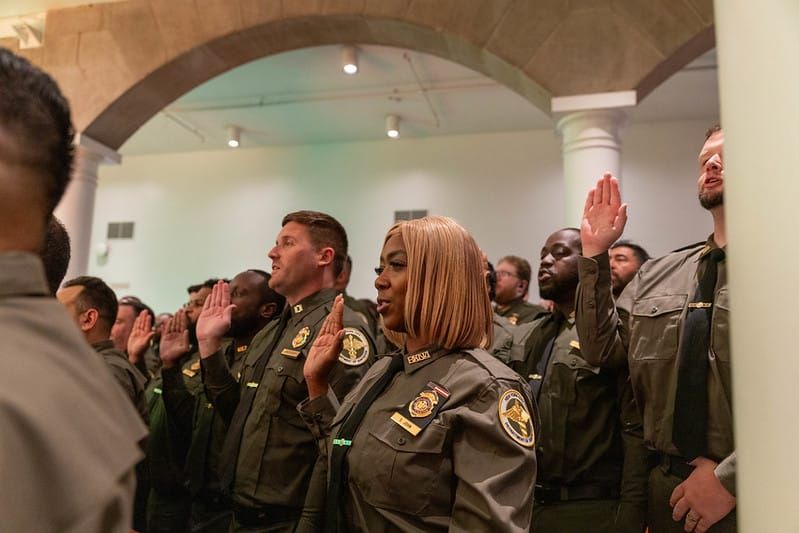
Every day before dawn, while most of New York City is still sleeping, an army in green and blue takes to the streets. They clear the curbs, haul the heavy weight of eight million lives, and keep the veins of the city flowing.
We often talk about infrastructure in terms of steel and concrete—bridges, subway lines, and skyscrapers. But the most vital infrastructure of New York City is human. It walks on two legs, works in freezing winters and sweltering summer heat, and bears the physical burden of keeping our neighborhoods safe, healthy, and livable.
On Wednesday, October 5, 2026, the Department of Citywide Administrative Services (DCAS) and the NYC Department of Sanitation (DSNY) gathered to honor the newest class of sanitation workers and celebrate the promotions of veteran members who keep this massive operation running.
PHOTO GALLERY & CEREMONY HIGHLIGHTS
Our visual coverage documents moments of leadership, family pride, and community service in motion. From the solemn oath of office to the proud smiles of families in the crowd, these images honor the workers who dedicate their lives to serving the public.
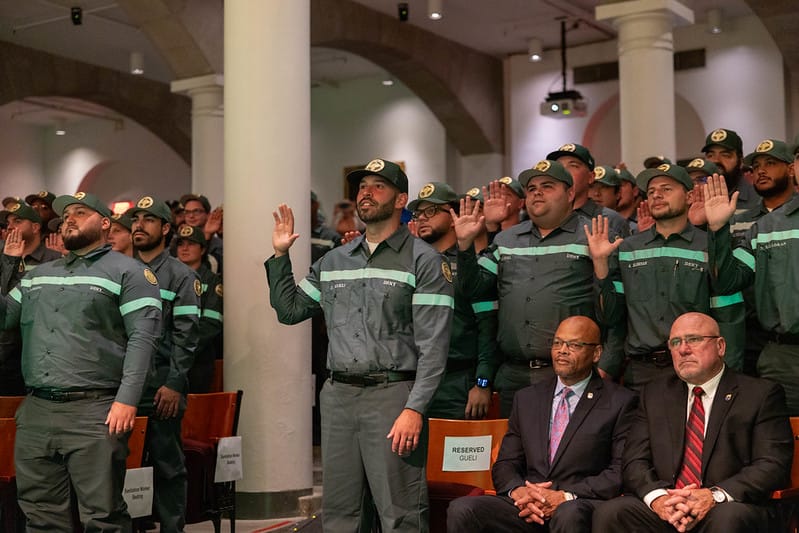
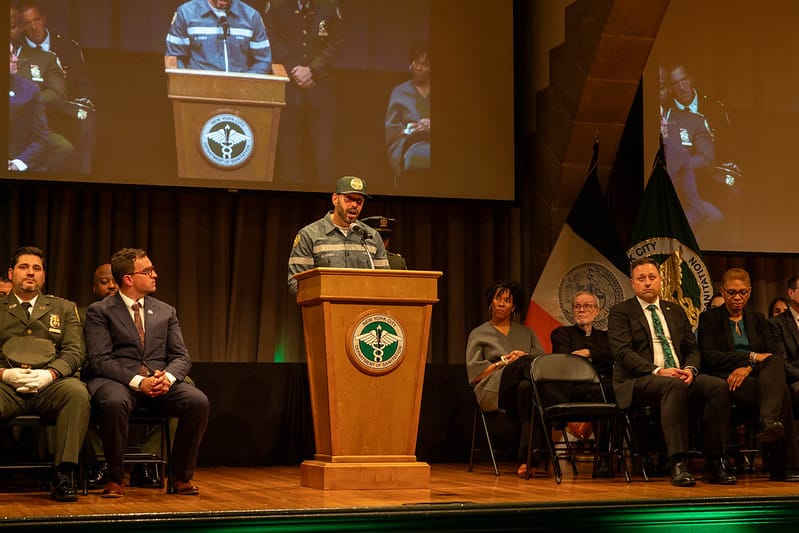
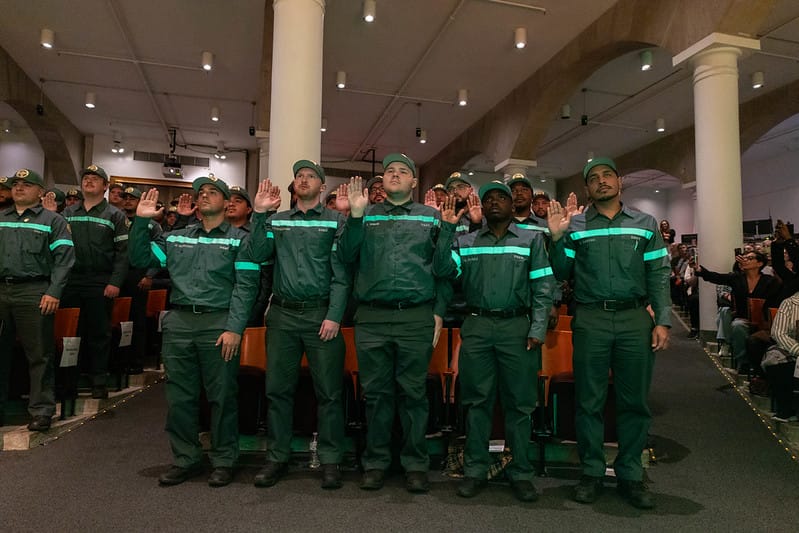
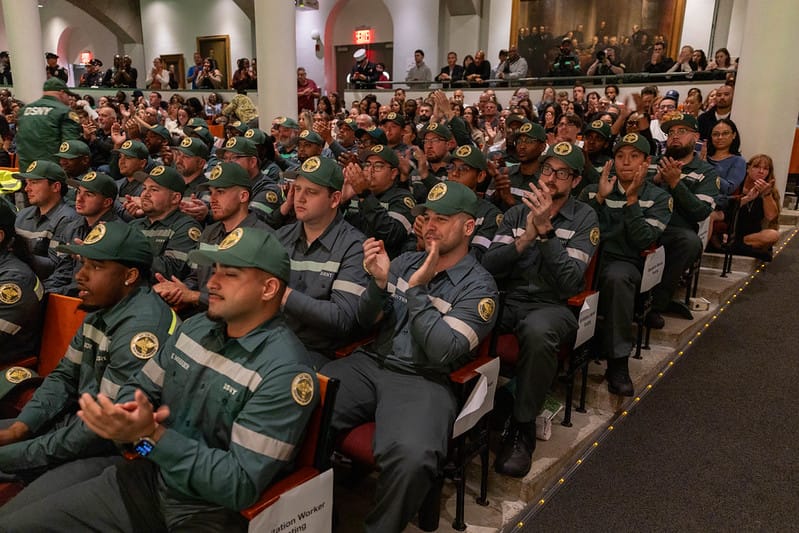
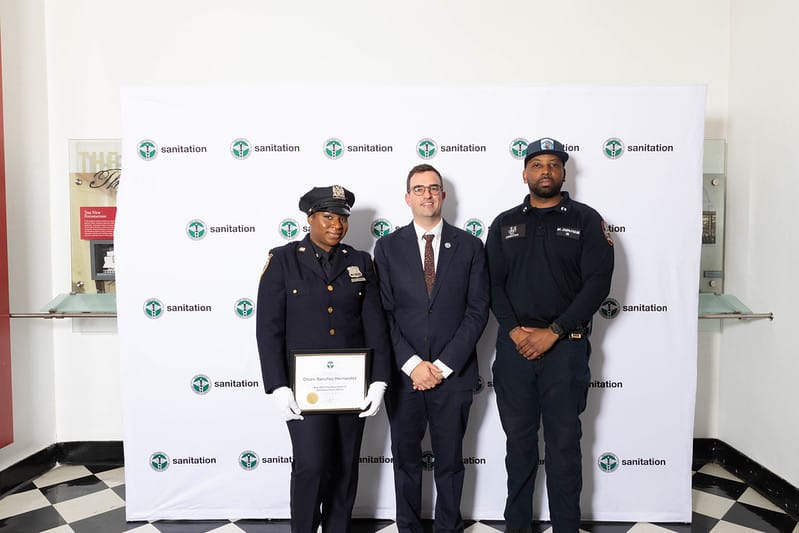
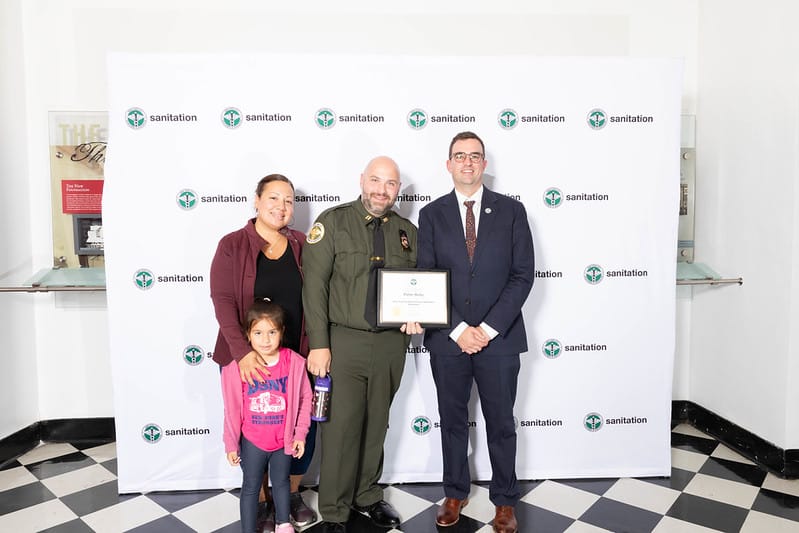
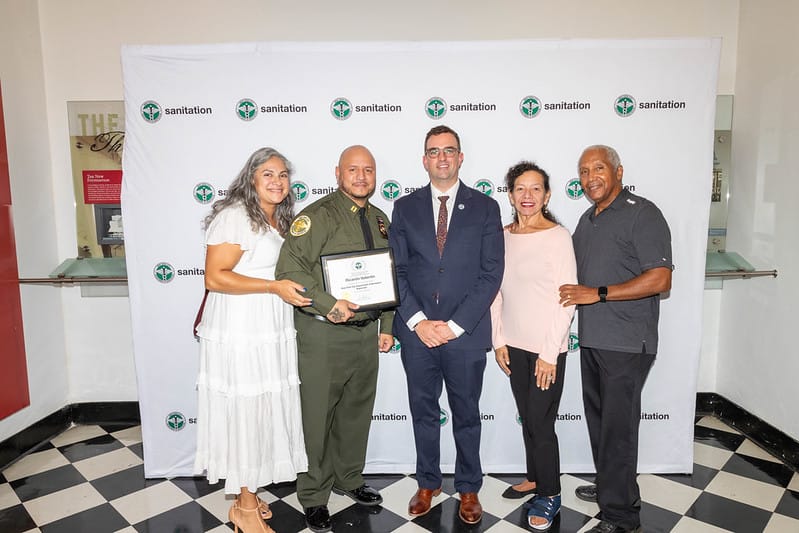
Graduation & Promotion Ceremony - October 2026 | Photo Credit by New York City Department of Sanitation
Watch the Full Ceremony:
NYC Sanitation Promotion and Graduation Ceremony - October 5, 2026
People at the Center: Dignity in the Essential Work
Behind every clean sidewalk, plowed winter street, and emptied corner bin is a neighbor, a parent, a provider. Sanitation work is among the most physically demanding and hazardous municipal jobs in the nation. It requires discipline, endurance, and an unyielding commitment to public health.
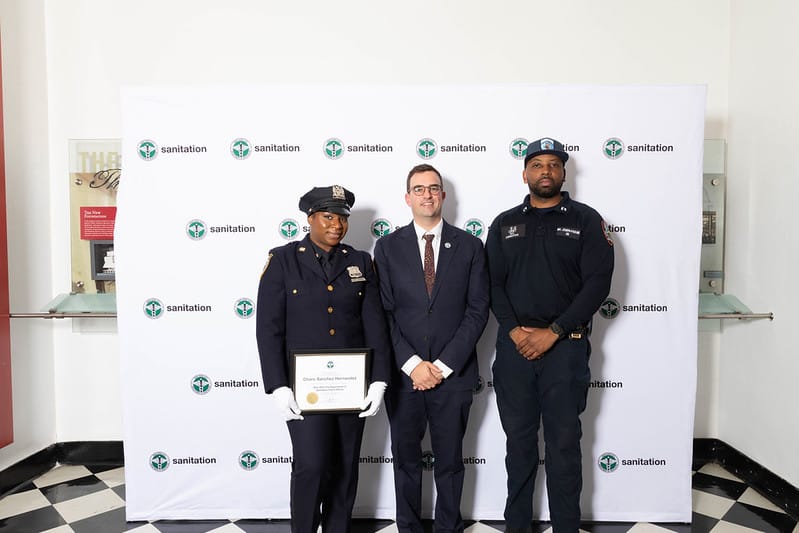
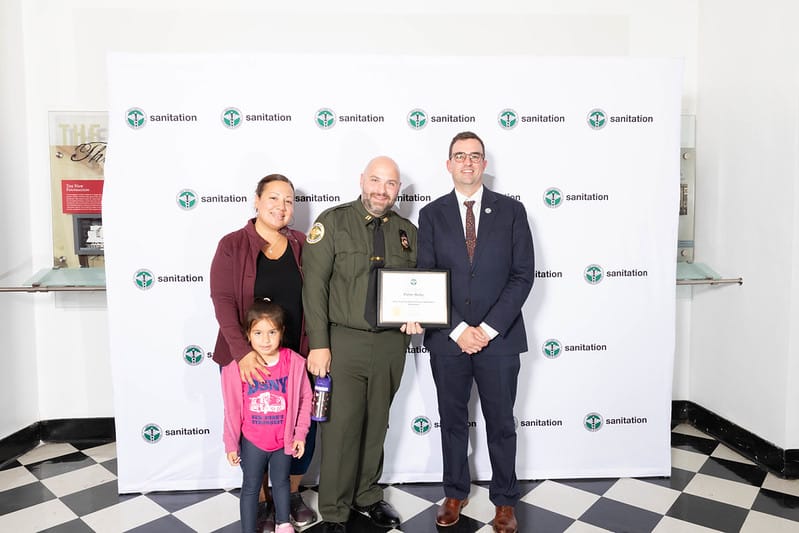
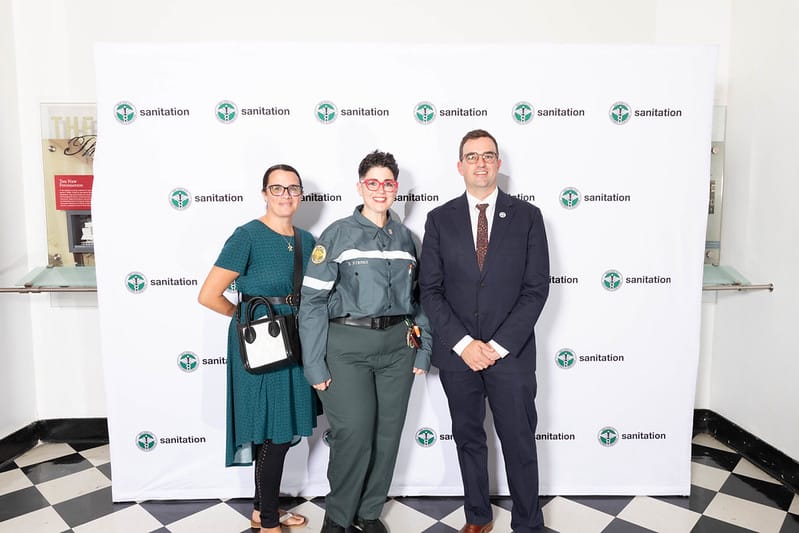
Graduation & Promotion Ceremony - October 2026 | Photo Credit by New York City Department of Sanitation
When the Trucks Stop: History’s Cautionary Tale
We don't have to imagine what happens when essential services are underfunded, squeezed, or disrupted—New York City history has already written that lesson.
Many New Yorkers still remember the citywide sanitation strikes of the late 1968 and 1981 eras. During the historic 9-day strike, nearly 100,000 tons of uncollected garbage piled up in mountains across the five boroughs. Within days:
- Corner sidewalks disappeared under pyramids of refuse.
- Small businesses struggled to keep storefronts open as odors permeated commercial corridors.
- Public safety and health became immediate crises, proving that street cleanliness is not an aesthetic luxury, but vital urban infrastructure.
That moment laid bare a fundamental truth: a city can survive a delay in almost any administrative function, but it cannot survive without its sanitation workers.
When municipal budgets squeeze sanitation departments, the consequences aren't abstract financial figures on a spreadsheet; they play out on our front doorsteps. Underfunding means delayed routes, overworked crews, aging equipment, and vulnerable neighborhoods bearing the brunt of the decay. Investing in sanitation workers, modern fleets, and robust routing infrastructure is one of the most direct ways a city protects its people.
Honoring the Newest Class
The workers celebrated on October 5 represent the best of civic service. They step into a proud legacy of keeping New York City standing, moving, and thriving day in and day out.
When we celebrate the graduates and newly promoted leaders of DSNY, we are recognizing the men and women who uphold the dignity of our shared public spaces.
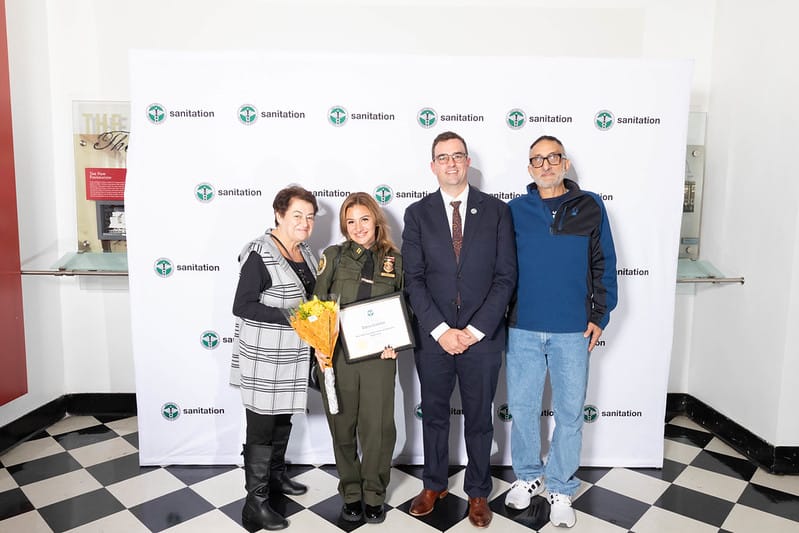
To the new graduates taking to the trucks and the veteran members stepping into leadership ranks: thank you for doing the heavy lifting that keeps our communities whole.



Comments ()