Through the Wire: How Martha Wright-Reed Reclaimed the Sound of Family
Her fight spanned decades, outlasting corporate resistance, regulatory stalls, and legal appeals. She insisted that policy is not an abstract debate in hearing rooms—it is something real people have to live with every day.
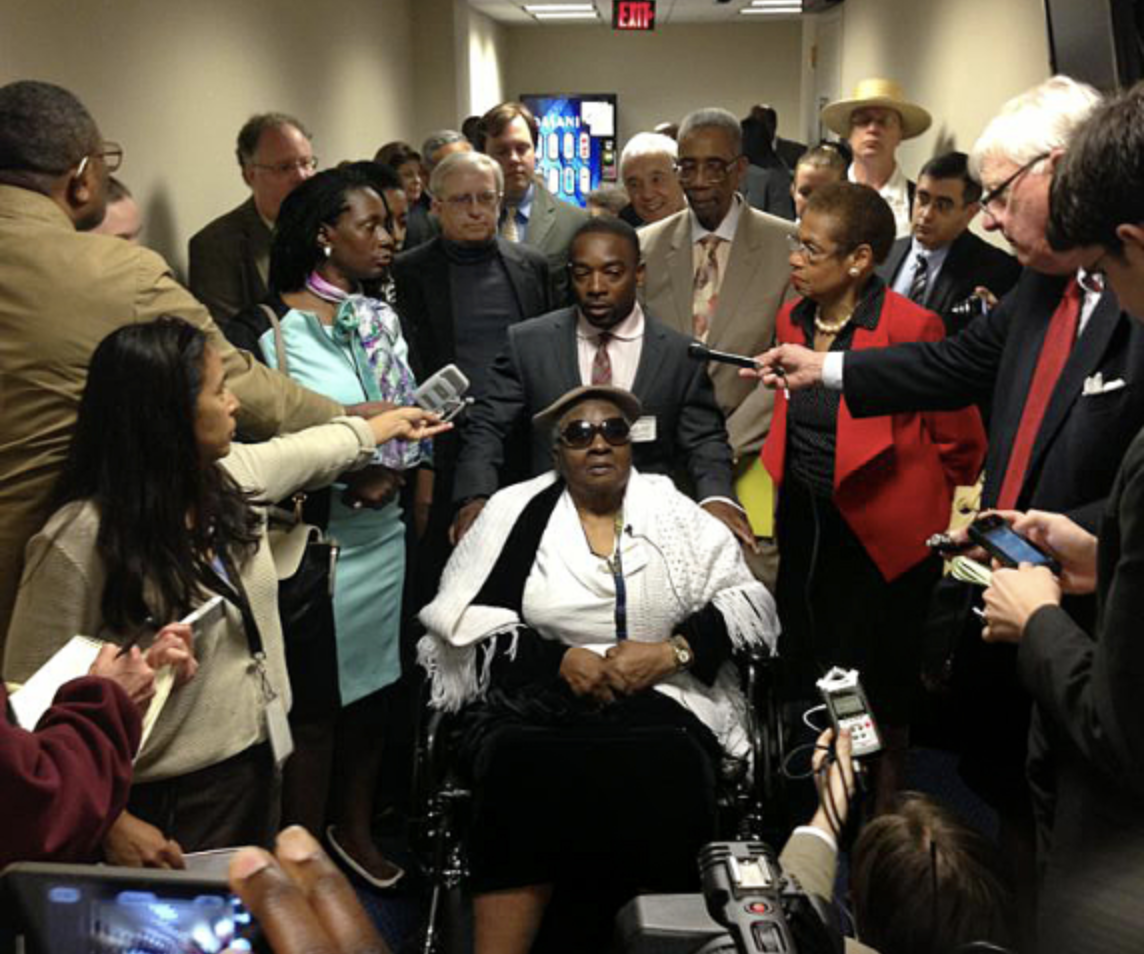
Before her name was written into federal statute, Martha Wright-Reed was a grandmother in Washington, D.C., holding a telephone receiver and counting down the minutes.
In the late 1990s, her grandson, Ulandis Forte, was incarcerated. Like millions of grandmothers, Wright-Reed wanted to stay present in her family’s life—to offer a steadying voice, to listen, to pray, and to make sure the young man on the other end of the line knew he had not been forgotten. But in the private, for-profit world of prison telecommunications, keeping a family connected was treated as a luxury rather than a basic human need.
Embed from Getty ImagesAt the time, telecom corporations levied extortionate fees on families trying to hear the voices of their loved ones. A single 15-minute phone call could cost as much as $24. For a grandmother living on a fixed income, those numbers weren't just an inconvenience; they were a cruel tax on affection. Every call required a heartbreaking calculation: Can I afford to hear his voice this week, or do I save for rent and groceries?
The system bet on low-income families quietly accepting financial debt or slipping into silence. They didn't count on Martha Wright-Reed.
Instead of turning off the phone, Wright-Reed petitioned the federal government. She refused to allow corporate profit margins to define the boundaries of family, dignity, and love. She spoke up not as a legal scholar, but as a resident, an elder, and a grandmother carrying the emotional and financial burden of a broken policy. She insisted that policy is not an abstract debate in hearing rooms—it is something real people have to live with every day.
Her fight spanned decades, outlasting corporate resistance, regulatory stalls, and legal appeals. Tragically, Wright-Reed passed away in 2015 at the age of 92—never living to see the final victory she fought so tirelessly to secure.
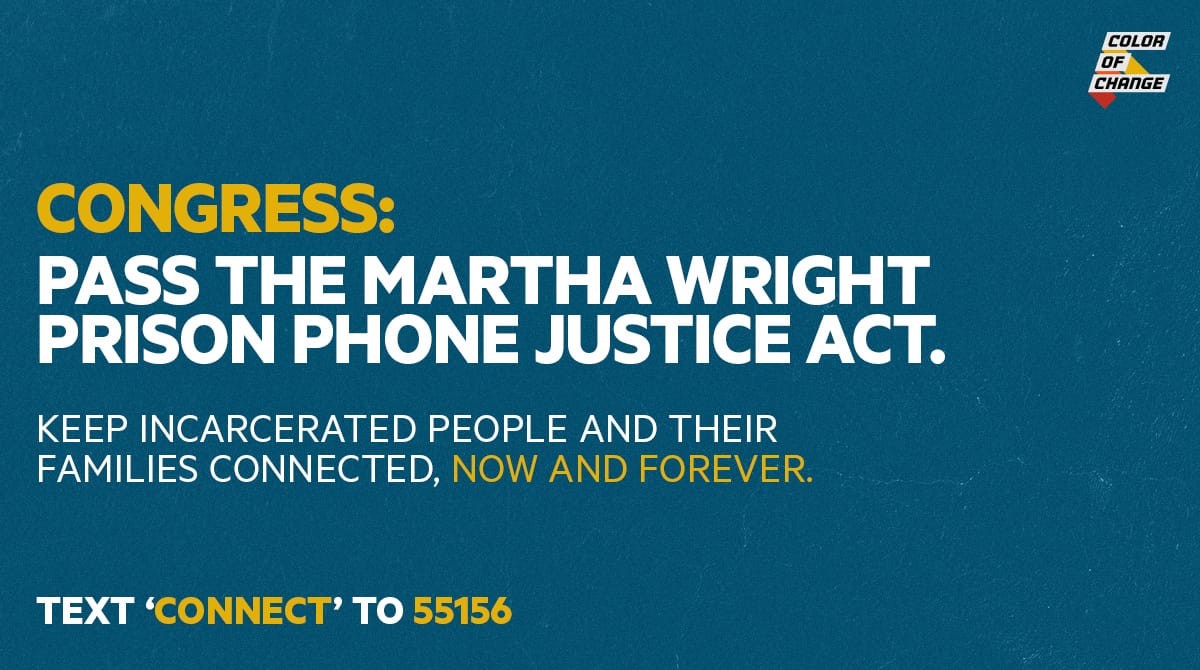
Yet her voice echoed long after she was gone.
In late December 2022, Congress passed federal legislation bearing her name, and the bill was signed into law in early 2023. The Martha Wright-Reed Just and Reasonable Communications Act gave federal regulators the authority to curb predatory phone and video call charges in correctional facilities, putting an end to the multi-million dollar gouging of vulnerable families.
However, the victory Wright-Reed fought so long to achieve now faces significant pushback. Despite the federal mandate, the implementation of these rules has hit major roadblocks. The Federal Communications Commission abruptly announced a two-year postponement of the rate-reduction rules it had previously passed.
Embed from Getty ImagesThe delay comes after intense pressure and pushback from telecom companies and local law enforcement—such as county sheriffs who previously relied on lucrative commissions, kickbacks, and fees bundled into prison phone rates. With some law enforcement agencies threatening to pull phone access entirely rather than accept lower rates, and corporate lobbying pushing to water down or overturn rate caps, families are once again left waiting as implementation is pushed back until at least 2027.
While federal legislation is written in formal, legalistic prose, its true meaning lives in the quiet moments of everyday life: a line that no longer disconnects, a bill that doesn't push a household into debt, and a grandmother who can hear her grandson without counting the seconds.

Comments ()