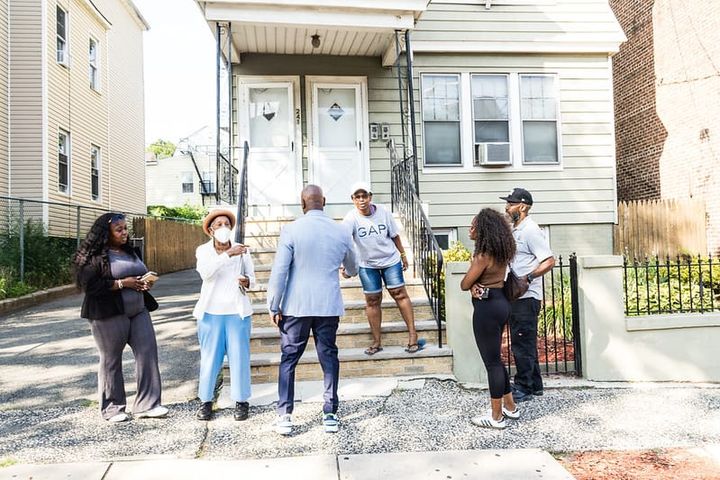
On Porch Stoops and Corner Stores, South Ward Neighbors Shape the Conversation in Newark Prioritizing face-to-face dialogue honors the expertise of long-time residents who know their streets better than any policy paper ever could.
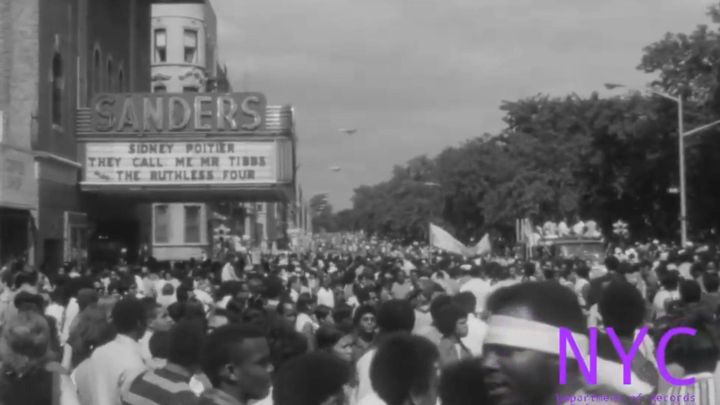
Prospect Park West, 1970: Culture, Protest, and the West Indian Day Parade In a city where Black and immigrant working-class families faced systemic hurdles, Carnival served a dual purpose—it was both a cultural homecoming and an active public forum for neighborhood advocacy.
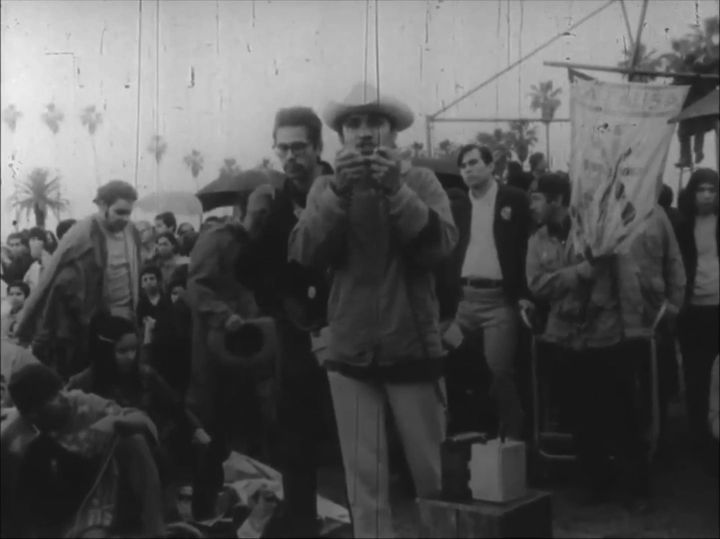
1970 East LA Chicano Organizers Standing Against Vietnam Draft This was more than an anti-war rally; it was an act of cross-community solidarity. The disproportionate burden placed on working-class families in 1970 mirrors ongoing fights for economic justice, draft equity, and community resources across Newark, Detroit, Philadelphia, and New York.
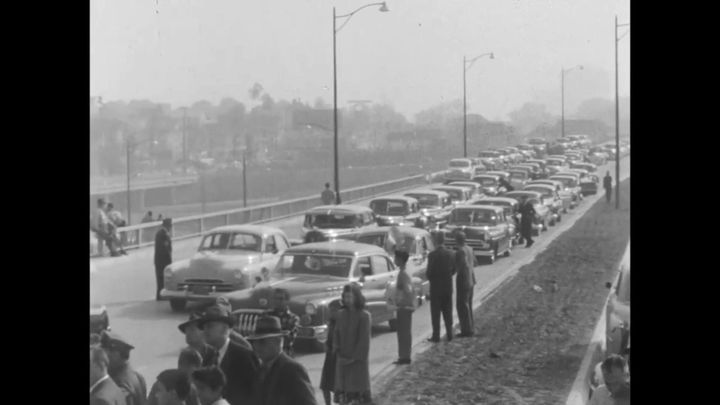
Los Angeles Ribbon Cuttings and Asphalt: The Human Cost of Mid-Century Highways As federal and state infrastructure programs expanded, planners routinely routed highways directly through Black and Brown neighborhoods, treating established communities as clearable space for suburban commute lines.
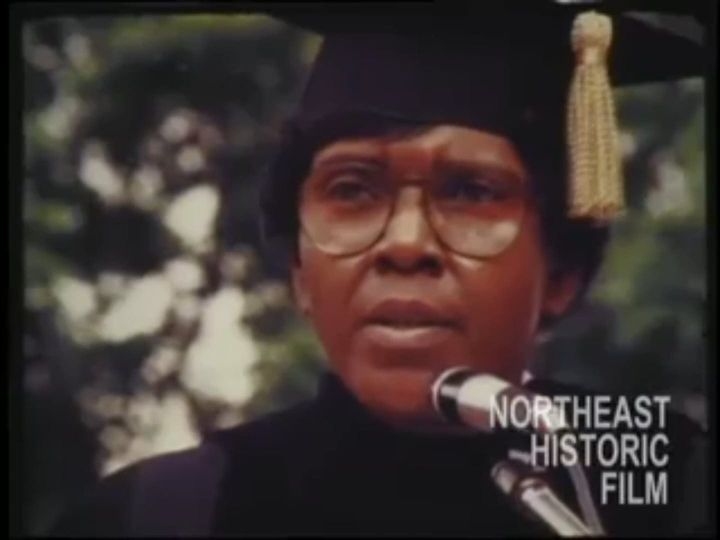
Waltham, 1976: Beyond the Ceremonial Podium—Barbara Jordan’s Call to Refuse Silence Addressing the graduating class during a period of national disillusionment, Congresswoman Jordan cut through standard graduation platitudes with a direct question: "Why have you stopped speaking? Don't be quiet while people are eroding the foundations of this country."
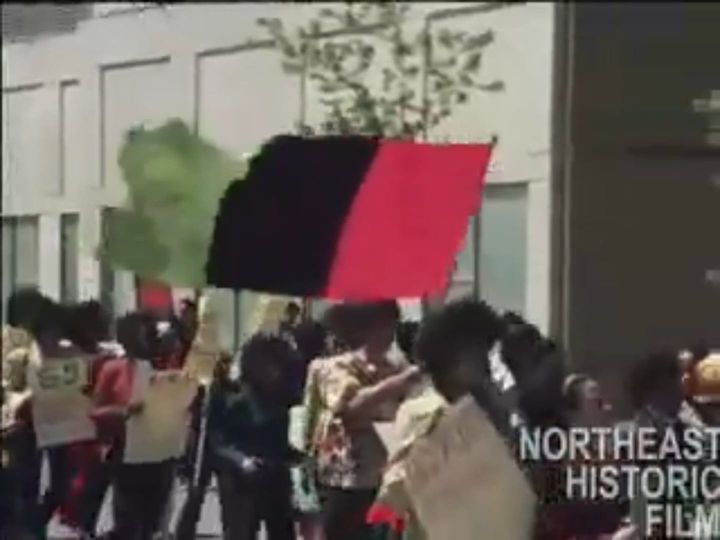
Boston, 1974: How Roxbury Reclaimed Power During African Liberation Month Looking back at May 1974 in Roxbury reminds us that local organizing has long carried a broad vision.
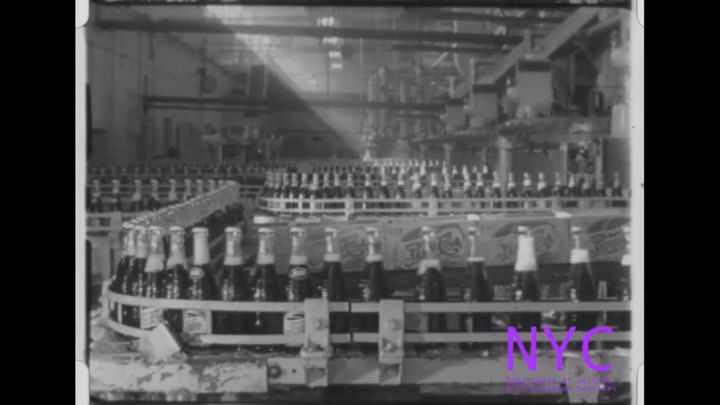
Pepsi, Knickerbocker Ice, and the Working Families Navigating NYC's 1950's Inflation The names of the corporate giants, the origin of the immigrants, and the mechanisms of automation change across decades, but the underlying struggle for working families remains the exact same today.